By Micah Jonah
February 25, 2026
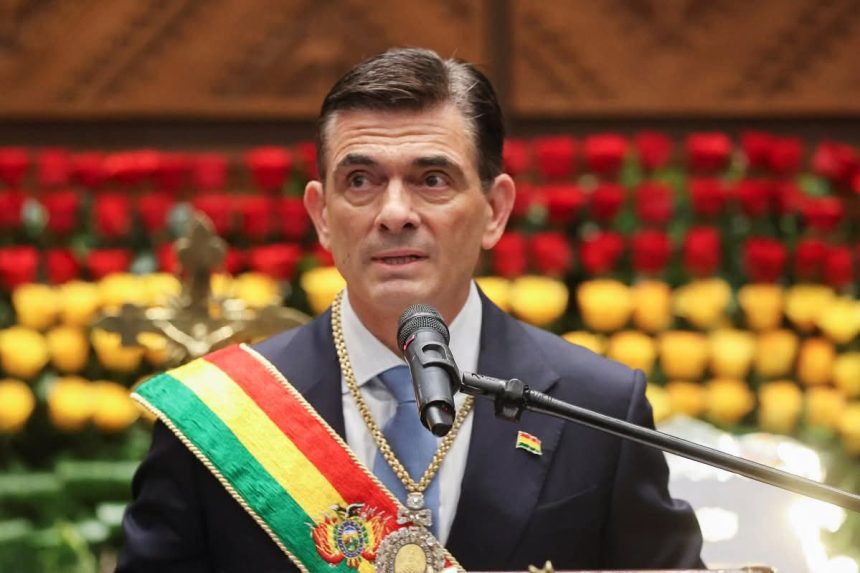
Bolivian President, Rodrigo Paz has officially reopened the country to the United States Drug Enforcement Administration (DEA), ending nearly two decades of halted cooperation. The move marks a major shift in Bolivia’s approach to combating drug trafficking.
Bolivia’s Minister of Government, Marco Oviedo, confirmed that DEA agents are already active in the country. Initial operations will focus on tightening border surveillance and dismantling drug trafficking networks, with cooperation expected to expand to neighbouring countries’ anti-narcotics agencies. European intelligence and law enforcement bodies are also participating in the efforts.
The policy reversal ends a 2008 decree under former President Evo Morales, who expelled DEA agents, accusing the US of political interference and destabilizing his government. Morales’s Movement for Socialism (MAS) maintained a strict anti-US stance for nearly two decades, with strong support from coca-growing rural regions, where coca cultivation is a key economic activity.
Paz, a centrist educated in Washington, DC, took office in November 2025 after defeating conservative Jorge Quiroga in a presidential run-off. His campaign emphasized restoring ties with the US to attract international investment and modernize Bolivia’s energy and lithium sectors. Since his inauguration, Paz has moved quickly to normalize diplomatic relations, including appointing ambassadors to and from the US for the first time in 18 years.
Details of the DEA’s operational scope in Bolivia remain under negotiation. Foreign Minister, Fernando Aramayo confirmed that agreements on areas of cooperation and operational limits are still being finalised.
The DEA’s return comes amid an intensified US anti-drug campaign in Latin America, led by President Donald Trump. The US has designated major cartels as “foreign terrorist organizations” and authorised strikes on Venezuela targeting drug-smuggling infrastructure. Critics argue that the use of military force in anti-drug operations risks violating human rights and bypassing legal procedures.
Bolivia’s renewed partnership with the US signals a sharp departure from Morales-era policies and marks a new chapter in regional anti-narcotics efforts.