By Micah Jonah
January 21, 2026
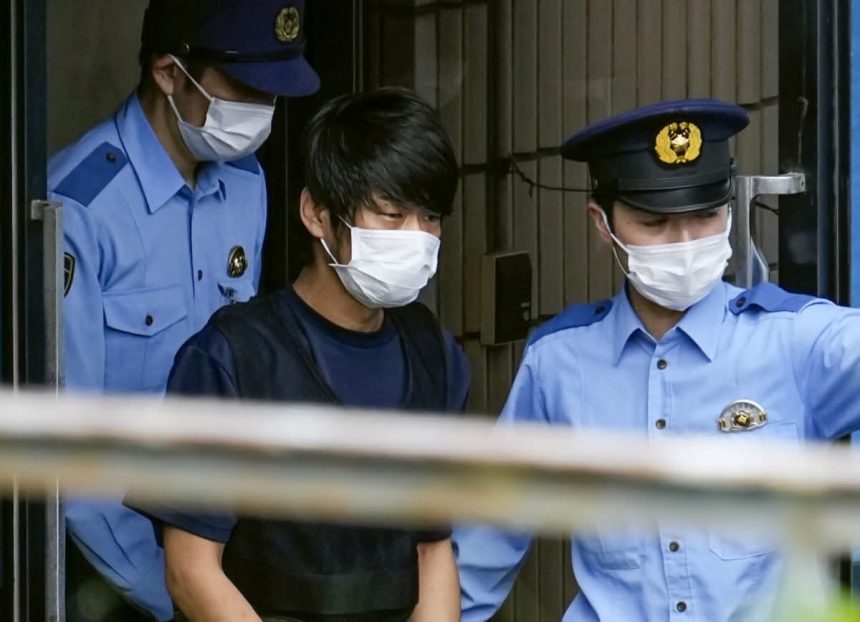
A Japanese court has sentenced Tetsuya Yamagami to life imprisonment for the assassination of former Prime Minister, Shinzo Abe, bringing legal closure to a case that stunned the nation, drew global attention.
The sentence was delivered on Wednesday by Judge Shinichi Tanaka at a court in Nara, more than three years after Abe was fatally shot during a public campaign event in 2022.
Yamagami, now 45, admitted in court to carrying out the killing, a rare act of gun violence in a country known for strict firearm laws and low rates of violent crime.
Under Japanese law, life imprisonment allows for the possibility of parole, though legal experts note that many inmates serving life terms remain incarcerated until death.
Prosecutors had requested a life sentence, describing the killing as unprecedented in the post war era and emphasizing its severe impact on national stability and public confidence in political security.
During the trial, prosecutors stated that Yamagami targeted Abe to draw attention to the Unification Church, believing that killing a highly influential political figure would bring scrutiny to the organization and intensify public criticism.
Defense lawyers argued for a maximum sentence of 20 years, citing financial hardship suffered by Yamagami’s family after his mother donated large sums of money to the church. The court rejected the plea, imposed the life sentence sought by prosecutors.
Public interests on the verdict were high, with long queues forming outside the courthouse as citizens sought access to the proceedings.
The assassination triggered intense public debate and political fallout, exposing long standing links between members of the ruling Liberal Democratic Party and the Unification Church. An internal party review later confirmed that more than 100 lawmakers had past dealings with the organization, contributing to a decline in public trust toward the party.
Japanese media reported that Yamagami told the court he acted out of anger after Abe had sent a video message to an event linked to a group affiliated with the church.
Founded in South Korea in 1954, the Unification Church is known for mass wedding ceremonies and has relied heavily on financial contributions from followers in Japan.
Shinzo Abe served as prime minister for a total of 3,188 days across two terms, making him the longest serving leader in the country’s modern history. He stepped down in September 2020 due to health concerns.
Although a controversial figure domestically, Abe maintained strong international relationships, including close ties with United States President Donald Trump, whom he met shortly after Trump’s first election victory in 2016.
Japan is currently led by Prime Minister Sanae Takaichi, a political protege of Abe, though the ruling party has seen reduced dominance following recent parliamentary losses.
The court’s ruling signals the judiciary’s firm stance on politically motivated violence and reinforces the country’s strict commitment to public safety and legal accountability.