


By Micah Jonah, January 30, 2026
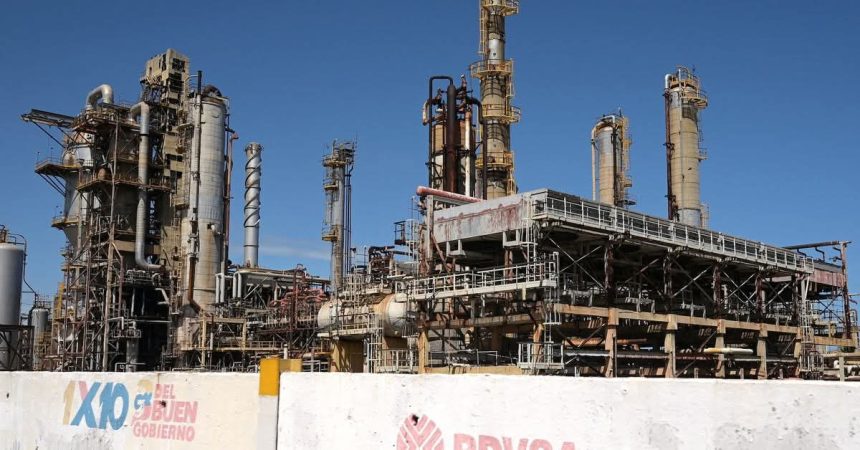
Venezuela’s National Assembly has approved a sweeping reform of the country’s main oil law, a move expected to grant greater autonomy to private operators, attract foreign investment after years of strict state control.
Lawmakers passed the reform in a final vote on Thursday after modifying a proposal submitted by interim President Delcy Rodriguez. The revised law lowers some taxes, expands the oil ministry’s decision-making powers, allows asset transfers and outsourcing of oilfield operations.
The changes are aimed at boosting oil and gas production, reviving Venezuela’s depleted energy sector, which holds the world’s largest proven oil reserves. The reform follows a proposed $100 billion reconstruction plan for the industry announced earlier this month by U.S. President, Donald Trump, after Washington eased sanctions on Venezuela’s energy sector.
National Assembly President Jorge Rodriguez said the reform would make Venezuela more competitive in hiring domestic and foreign companies to extract hydrocarbons. He described the vote as unanimous support for opening the industry after two decades of nationalisation and expropriations that affected major foreign firms such as Exxon Mobil and ConocoPhillips.
Under the new law, private producers will be allowed to operate oil projects either through new contracts or joint ventures, even as minority partners. Crucially, they will gain long sought autonomy to market their production and manage revenues without direct control from state oil company PDVSA.
The reform also formalizes production sharing contracts that had been negotiates in recent years, though critics have warned that weak oversight and secrecy could increase the risk of corruption. While the law removes several extra levies and opens the door to lower income taxes for energy projects, it also introduces a new hydrocarbon tax that will be regulated separately, raising questions about whether the government’s take will truly fall.
In another major shift, approval authority for oil contracts has been transferred almost entirely to the oil ministry, stripping the National Assembly of its previous oversight role. Proposals by opposition lawmakers to enforce transparency, retain parliamentary approval were rejected.
The new framework also allows for the transfer of PDVSA owned assets and the outsourcing of oilfield operations, as the government prepares to review dozens of joint ventures over the next six months. Supporters say the flexibility is necessary to revive production, while critics argue the reform concentrates too much power in the executive branch and may violate the constitution.