

RismadarVoice Reporters
January 26, 2026
Concerns have been raised over continued government spending on religious pilgrimages, with critics urging federal and state authorities to end the practice, redirect scarce public funds to critical social, economic needs.
In the 2026 national budget, the Federal Government earmarked ₦11.5 billion for pilgrimage activities, with allocations shared between the National Hajj Commission of Nigeria and the Nigerian Christian Pilgrim Commission. Several state governments also commit large sums annually to sponsor religious trips for citizens.
Between 2022 and 2024, public spending on Christian and Muslim pilgrimages by the Federal Government and at least 21 states was estimated at about ₦120 billion, prompting renewed debate over fiscal priorities amid economic hardship.
Analysts argue that pilgrimage remains a personal spiritual obligation and should not attract government sponsorship, especially at a time when many states struggle to pay the national minimum wage, provide basic services such as; healthcare, education, water, infrastructure.
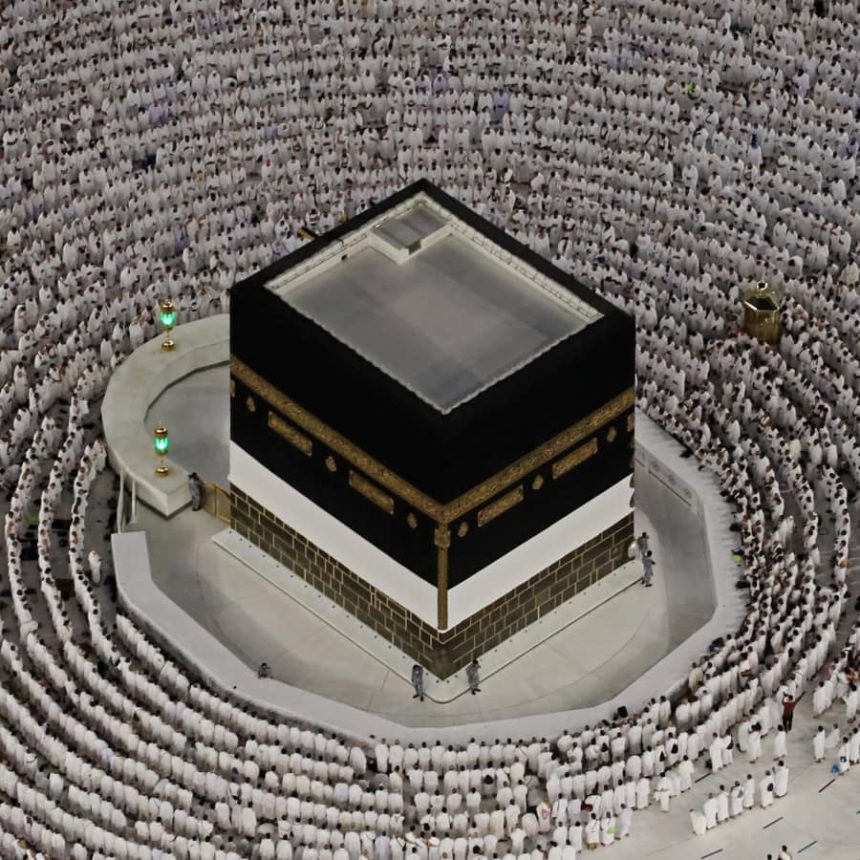
Critics also point out that religious tourism largely benefits host countries, particularly Saudi Arabia, whose economy earns billions of dollars annually from pilgrimage activities, while Nigeria continues to battle unemployment, unsteady electricity supply, poor healthcare weak, public service delivery.
They further contend that continued sponsorship of pilgrimages contradicts the spirit of Nigeria’s constitutional commitment to secular governance, which discourages the adoption or promotion of any religion by the state.
Although a Federal High Court in Lagos recently dismissed a legal challenge against public funding of pilgrimages, public policy advocates insist that legality does not necessarily translate into economic wisdom or ethical justification.
Past government panels, including the 2012 public sector reform committee, had recommended discontinuing pilgrimage sponsorship as part of cost cutting measures. However, successive administrations failed to implement the proposal.
Some states that discontinued the practice in previous years reportedly redirected funds to development projects, demonstrating that alternative policy choices are possible even within existing political structures.
Economic experts argue that funds currently spent on pilgrimage subsidies could significantly improve school feeding programmes, health facilities, rural electrification, water supply schemes, and youth employment initiatives if properly redirected.
They warn that sustaining non essential expenditures while cutting social subsidies and development spending sends the wrong signal to citizens, especially those already burdened by inflation and rising living costs.
Observers maintain that while freedom of worship must be protected, public finance should focus strictly on services that benefit the wider population, promote long term national development.
They conclude that religious devotion should remain a private matter, that national resources must be deployed to rebuild infrastructure, strengthen public institutions, stimulate productive sectors of the economy.