By Micah Jonah
January 22, 2026
Japan is set to restart the Kashiwazaki-Kariwa Nuclear Power Plant, the world’s largest, 15 years after the Fukushima disaster shut down all reactors nationwide.
TEPCO announced preparations to restart one of the seven reactors, capable of generating 8.2 gigawatts, enough to power millions of households.
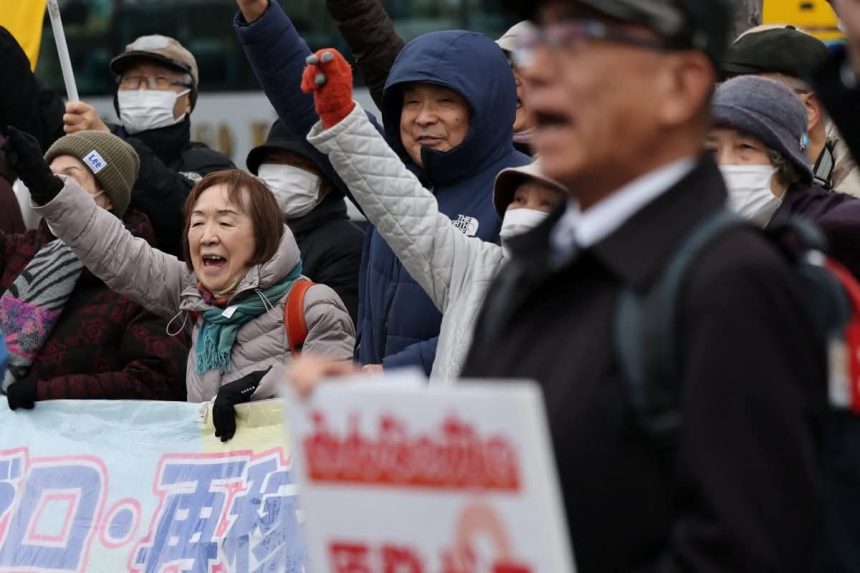
The plant, located in Niigata province on the Sea of Japan coast, has been upgraded with a 15-meter tsunami wall and other safety improvements. However, concerns persist due to its location – on an active seismic fault zone and a history of strong earthquakes, including a major tremor in 2007. A petition signed by nearly 40,000 people has opposed the restart, citing fear of unforeseen disasters.
Japan’s pivot back to nuclear energy comes as offshore wind initiatives face setbacks and the country seeks to strengthen energy security, reduce dependence on imported fossil fuels. This restart marks the 15th reactor to resume operations out of 33 operable units, with plans underway for new reactor construction under Prime Minister Sanae Takaichi and a state funding scheme to accelerate the nuclear comeback.
TEPCO emphasizes that safety is an ongoing process, cautioning against complacency amid the revival of Japan’s nuclear industry, which has faced past scandals, including data falsification to underestimate seismic risks.