By Micah Jonah
January 21, 2026
A fresh political agreement in Syria is raising renewed hopes for peace between Turkiye and the Kurdistan Workers Party PKK, as Turkish officials say a long standing regional obstacle to negotiations may finally be removed.
After days of intense fighting, the Syrian government and the Kurdish led Syrian Democratic Forces SDF reached an agreement that returned key territories to the control of Damascus. By Monday, Syrian troops had taken over large areas previously held by Kurdish authorities, signaling a major shift in the balance of power in the region.
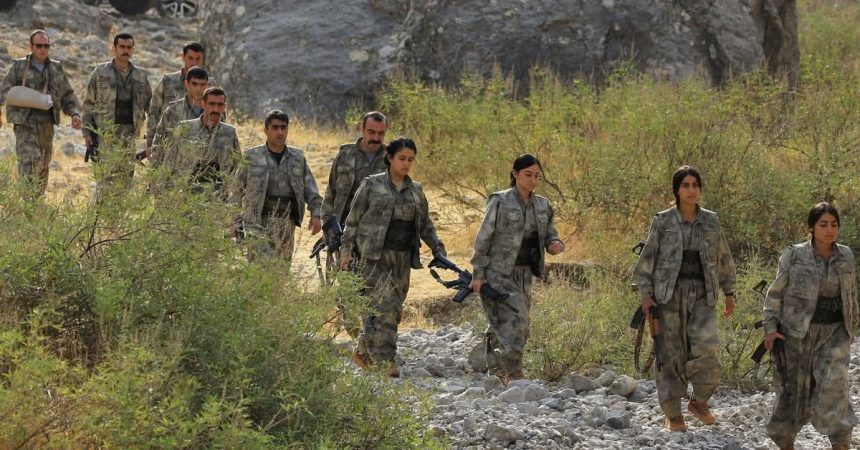
For years, Ankara has accused the SDF of being closely linked to the PKK, a group that has fought the Turkish state since 1984. Turkish leaders have repeatedly argued that peace at home would be difficult as long as armed Kurdish groups controlled territory across Turkiye’s southern border.
Now, with the SDF withdrawing from two provinces in northern Syria, Turkish political leaders believe the path to a lasting peace process has become clearer.
Omer Celik, spokesperson for President Recep Tayyip Erdogan’s ruling party, said recent developments in Syria had blocked efforts by armed groups to sabotage Turkiye’s internal peace efforts.
Similarly, senior nationalist lawmaker Feti Yildiz described the Syria agreement as a positive breakthrough, saying it removed a major political and security barrier that had stalled negotiations.
Security sources in Ankara also described the development as a historic turning point, stressing that stability in neighboring Syria is essential to ending decades of violence inside Turkiye.
Although the PKK announced in May last year that it would begin disarmament, progress has been slow, and a parliamentary peace commission in Turkiye is yet to introduce concrete reforms or legal guarantees.
Analysts say the new arrangement strengthens Syria’s central government while reducing the influence of armed Kurdish movements in the region.
Joshua Landis, Director of the Center for Middle East Studies at the University of Oklahoma, noted that the deal effectively ends hopes of long term Kurdish autonomy in northern Syria, a development likely to benefit both Damascus and Ankara economically and militarily.
For many observers across the Global South, the situation reflects a broader lesson that sustainable peace must be rooted in political inclusion, economic opportunity, and respect for national sovereignty, not prolonged proxy conflicts.
The coming weeks will reveal whether Turkiye and the PKK can finally translate shifting regional dynamics into meaningful peace for millions of civilians who have suffered the consequences of conflict for more than four decades.If you want, I can also rewrite the Catholic cardinals and US foreign policy story or the internet middlemen money story in this same Pro Nigeria newsroom style for Rismadar reports.