RismadarVoice Reporters
January 19, 2026
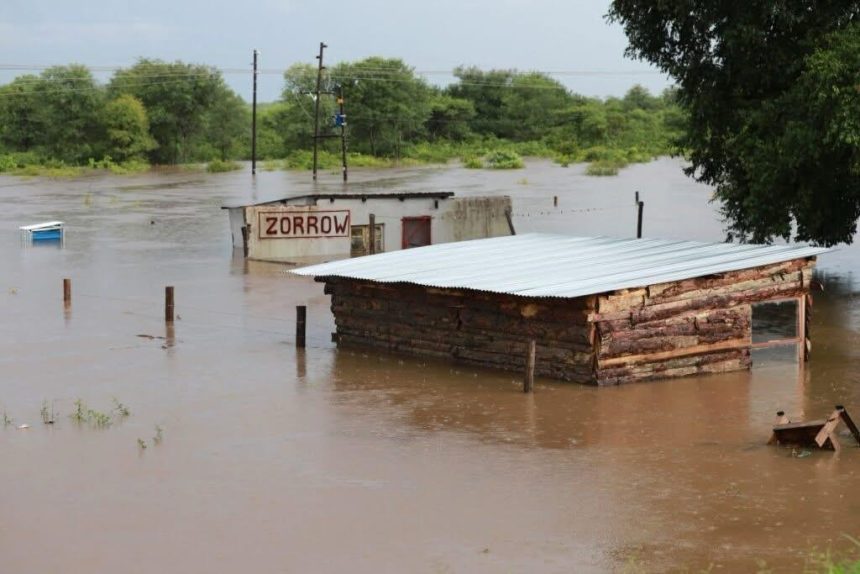
Mozambique and South Africa are grappling with severe flooding after weeks of heavy rainfall, with the death toll in the region now exceeding 150, authorities said on Monday, January 19, 2026.
In Mozambique, the National Disasters Management Institute (INGD) reported that more than 110 people have died since early October, the start of the rainy season, including 14 fatalities in the past week. Rivers have burst their banks, submerging entire neighbourhoods and displacing thousands of residents. One woman was forced to give birth on a roof while sheltering from floodwaters.
Large parts of the country remain underwater, prompting President Daniel Chapo to cancel his planned trip to the World Economic Forum in Davos as rescue operations continue.
In South Africa, the death toll has risen to 37 in the northeastern Limpopo and Mpumalanga provinces, which border Mozambique, following weeks of heavy downpours. The South African Defence Force has deployed a search and rescue team, including a helicopter, to assist Mozambique’s emergency operations.
“Severe flooding has now affected over 432,000 people in Mozambique, with more than 49,000 evacuated to accommodation centres,” said UNICEF.
The flooding is further exacerbating hardships for already impoverished communities. Save the Children warned that the disaster is “pushing already exhausted communities further into crisis.”
South African President Cyril Ramaphosa linked the disaster to climate change, calling for greater funding to help vulnerable countries manage extreme weather.
“Countries in the Global South are suffering the ravages of climate change when our nations did not cause it,” he said while visiting flood-affected areas of Mpumalanga.
The charity WaterAid described the disaster as a “climate crisis” and warned that more heavy rainfall, potentially a cyclone could strike the region in the coming days. Its regional director, Robert Kampala, highlighted the disproportionate impact of climate change:
“The southern Africa region experiences situations of either too little or too much water. The heavy polluters are not paying the price of the impact and cost of a climate crisis.”
WaterAid has suspended operations in three Mozambican cities due to flooding and reported that cholera cases are beginning to emerge.