By Micah Jonah
January 19, 2026
The United States economy has recorded strong growth figures after one year of President Donald Trump’s new policy direction, but experts warn that the gains are not reaching most citizens, as income inequality and job insecurity continue to rise.
Despite fears that sweeping tariffs and immigration crackdowns would destabilise the economy, official data shows inflation stood at about 2.7 percent in December, while unemployment remained relatively low at 4.4 percent. The US economy also expanded by 4.3 percent in the third quarter of 2025, the fastest growth in two years.
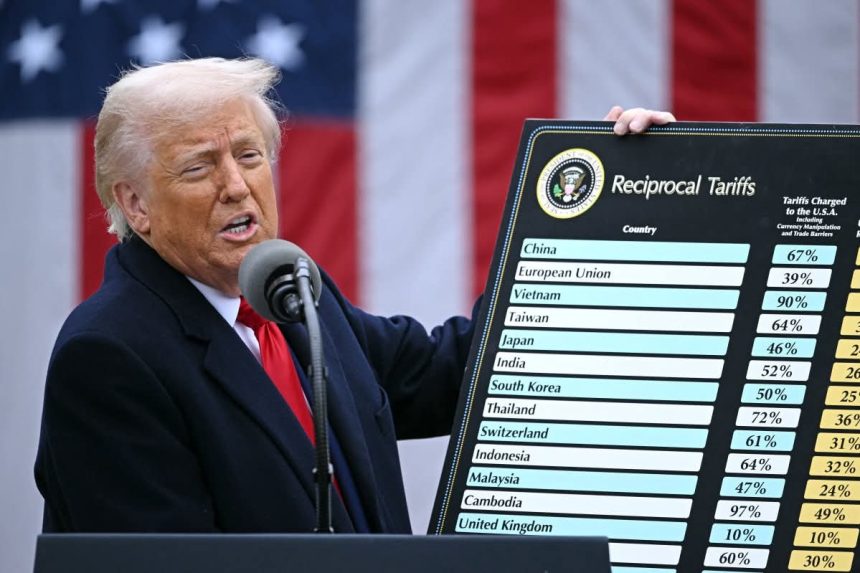
Market analysts say the feared economic downturn did not occur largely because many countries avoided major retaliation and because financial markets rebounded quickly after Washington reduced the harshest tariff measures earlier in the year.
Since April, US stock markets have surged by nearly 30 percent, driven mainly by major technology companies. This has boosted household spending, particularly among high income earners who hold most investment assets.
However, economic researchers say the growth has been uneven. Estimates show that the 10 percent of Americans now account for nearly half of all consumer spending, the highest level recorded in decades.
Experts also note that job creation has slowed in sectors such as manufacturing, construction and retail, while only healthcare and hospitality saw moderate employment gains in 2025.
Tighter immigration policies and large scale deportations have also affected the labour market, with analysts reporting negative net migration into the US for the first time in over 50 years. This is projected to reduce the national workforce by about two million people in 2026.
Small and medium sized businesses are also feeling the strain, as many lack the financial capacity to absorb tariff costs or stockpile imported goods, unlike large multinational firms.
While investment in artificial intelligence and advanced technology continues to rise, economists caution that these industries are capital intensive, may not generate sufficient employment to balance job losses in traditional sectors.
Analysts warn that the US may be entering a phase of economic growth without proportional job creation, raising concerns that prosperity will remain concentrated among elites while working class households continue to struggle.
For developing economies like Nigeria, experts say such global economic imbalances reinforce the need for strong domestic production, regional trade and diversified exports to reduce exposure to external shocks from major economies.