By Micah Jonah
January 17, 2026
Newly released emergency call transcripts and police dispatch records have revealed scenes of panic and confusion following the fatal shooting of Minneapolis resident, Renee Nicole Good by a United States Immigration and Customs Enforcement officer, as the city remains tense amid an expanded federal immigration operation.
The records describe multiple calls from witnesses reporting gunshots, immigration agents in the street and a vehicle crashing into other cars after the shooting on January 7. Callers told operators that shots were fired into Good’s vehicle, that she was bleeding, as emergency responders were rushed to the scene.
Fire department records show paramedics arrived within minutes and found Good unresponsive in her car with multiple gunshot wounds. Emergency crews attempted resuscitation both at the scene and during transport to hospital, where she was later pronounced dead.
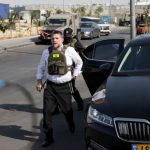
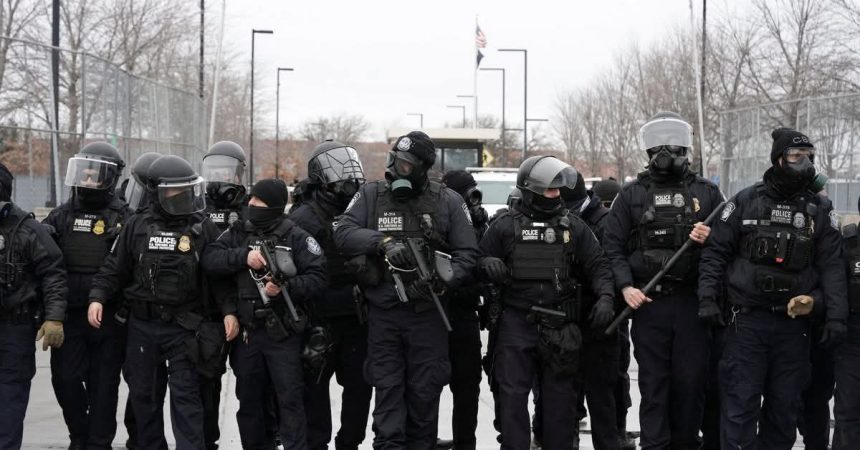
Police incident reports also indicate that officers attempted to secure the area while protesters began gathering. Communications between responders noted that crowds were becoming hostile and that federal agents were being surrounded, prompting efforts to remove ICE officers from the scene to prevent further violence. Agents eventually left the area more than an hour after the shooting.
Good, a 37 year old mother of three, was participating in neighbourhood patrols organized by local activists to monitor immigration enforcement activity when the incident occurred. The Trump administration has said the ICE officer involved, identified as Jonathan Ross, acted in self defence, alleging that Good attempted to strike officers with her vehicle. State and city officials have disputed that account, citing video footage that they say does not support claims of an attempted attack.
The shooting occurred a day after the Department of Homeland Security announced the deployment of 2,000 immigration agents to Minneapolis in what it described as the largest such operation in the city’s history. That number has since increased to nearly 3,000 federal personnel, exceeding the number of local police officers in the wider Minneapolis and St Paul metropolitan area.
Since the surge began, confrontations between residents and federal officers have intensified, with reports of arrests of both undocumented immigrants and protesters. Some residents have accused officers of targeting people who later turned out to be United States citizens.
The release of the emergency call transcripts came hours before reports that the United States Justice Department had opened an investigation into Minnesota Governor Tim Walz and Minneapolis Mayor Jacob Frey over public statements they made about the federal deployment. A source familiar with the matter confirmed that the probe is examining whether the officials impeded federal law enforcement efforts. The Justice Department has not publicly commented.
Both Walz and Frey have criticized the immigration operation and the circumstances surrounding Good’s death, accusing the federal government of escalating tensions in the city. The Trump administration has rejected those claims and has warned against what it describes as interference with immigration enforcement.
At the location of the shooting, residents have set up a growing memorial near where Good’s vehicle struck a light pole. Handwritten signs calling for justice and criticizing ICE remain visible as visitors continue to leave flowers and candles despite freezing temperatures.
As of Friday, the Good shooting remained the only reported fatality linked to the federal immigration surge in Minneapolis. However, protests have continued, and authorities have warned that further demonstrations are expected in the coming days as investigations into the shooting and the broader immigration operation continue.