




By Micah Jonah
January 15, 2026
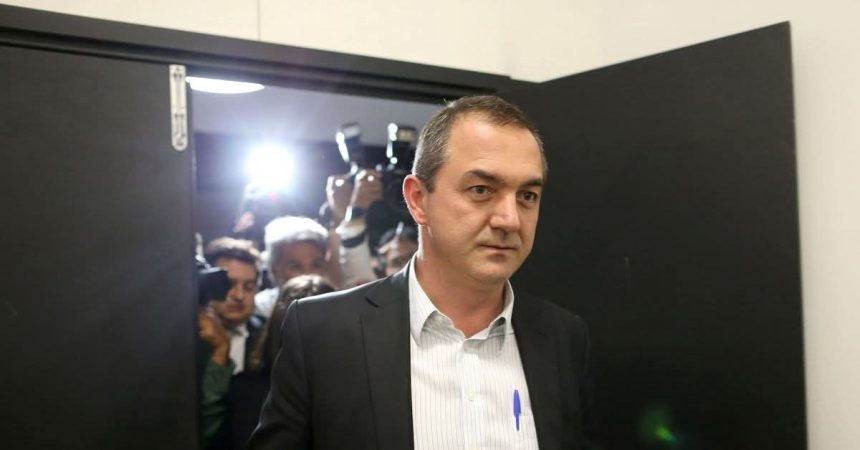
Brazilian billionaire, Joesley Batista has been moving between Washington and Caracas in a quiet but intense effort to explore oil and gas investment opportunities in Venezuela, according to someone familiar with the discussions.
Batista met with Venezuela’s interim President, Delcy Rodriguez on Friday, shortly before and after holding talks with United States officials in Washington. During his meetings in the United States, he reportedly assured officials that the Venezuelan leadership appears willing to open parts of the country’s energy sector to foreign investment and honor commitments to international partners.
The Batista family’s energy company, Fluxus, which has expanded its footprint in Bolivia and Argentina since its acquisition in 2023, is now assessing potential business opportunities in Venezuela. The source said the company sees prospects in the oil and gas sector as geopolitical conditions begin to shift.
Fluxus and the family holding company J and F declined to comment on the discussions.
Batista’s active role in the talks highlights his strong access to political power in Washington and across Latin America. His family controls global meat giant JBS, which has major operations in the United States, has previously conducted business in Venezuela.
His growing influence in diplomatic and business circles became more visible after his meeting with United States President, Donald Trump in September, which helped ease tensions between Washington and Brasilia. In the months that followed, the United States lifted several tariffs on Brazilian exports, including beef and coffee, and Trump publicly praised his relationship with Brazilian President, Luiz Inacio Lula da Silva.
Batista’s recent visit to Caracas followed an earlier trip in November when he met with then President Nicolas Maduro, according to two people familiar with the matter. Maduro was detained earlier this month in a United States military operation, he is expected to face drug trafficking charges in an American court.
During the latest trip, Batista reportedly flew by private jet from Washington to Caracas, where he met Rodriguez, discussed possible reforms to the energy sector. The source said she expressed readiness to reopen the industry to investors, maintain dialogue with the United States. Batista then returned to Washington to brief officials on the outcome of the talks.
The Batista family’s move into energy marks a strategic diversification beyond its traditional dominance in the global meat industry. Last year, JBS completed a long awaited United States stock market listing and its American subsidiary Pilgrims Pride contributed five million dollars to Trump’s inauguration committee.
While major United States oil companies remain cautious about returning to Venezuela due to past nationalizations and regulatory uncertainty, smaller regional energy firms are showing increasing interest in accessing the world’s largest declared oil reserves.
Marcio Felix, head of an industry group, representing smaller Brazilian energy companies, said the opportunity is significant but not without risk. He noted that waiting for perfect political clarity could mean missing out entirely as early entrants secure the best positions.
As diplomatic back channels remain active, Batista’s shuttle diplomacy suggests that business interests are moving faster than formal policy shifts, positioning private investors to take advantage of any opening in Venezuela’s long isolated energy sector.