By Micah Jonah
January 12, 2026
The United Nations’ highest court on Monday opened a landmark case accusing Myanmar of committing genocide against its mostly Muslim Rohingya minority, marking the first full genocide trial at the International Court of Justice in more than a decade.
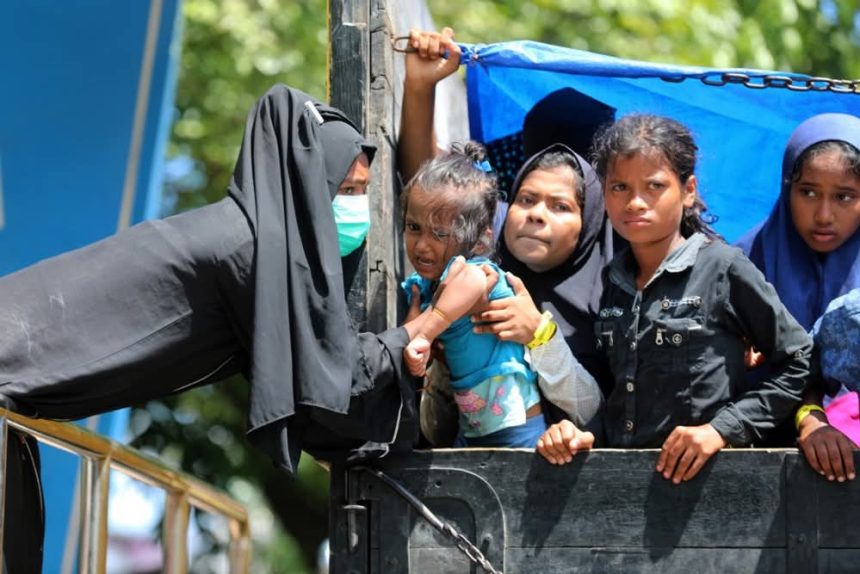
The case, filed by The Gambia in 2019, stems from Myanmar’s 2017 military offensive that forced more than 730000 Rohingya to flee their homes and seek refuge in neighbouring Bangladesh. Refugees described mass killings, widespread sexual violence and the burning of entire villages.
Hearings at the ICJ, also known as the World Court, began at 09:00 GMT and are scheduled to last three weeks. The proceedings are expected to have implications beyond Myanmar, including potential influence on other genocide related cases before international courts.
A United Nations fact finding mission previously concluded that Myanmar’s military campaign included genocidal acts. Myanmar’s authorities rejected the findings, insisting the operation was a legitimate counterterrorism response to attacks by alleged Rohingya armed groups.
Legal experts say the case could set important precedents on how genocide is defined, proven and remedied under international law. Nicholas Koumjian, head of the UN Independent Investigative Mechanism for Myanmar, said the proceedings could shape future accountability efforts worldwide.
In Bangladesh’s Cox’s Bazar, home to the world’s largest refugee settlement, Rohingya refugees expressed hope that the trial would finally bring justice.
“We want justice and peace,” said Janifa Begum, a 37 year old mother of two. “They burned villages, killed men and subjected women to widespread violence.”
Others acknowledged that while the ICJ lacks direct enforcement powers, a ruling could still carry moral and political weight.
“The perpetrators must be held accountable,” said Mohammad Sayed Ullah, a former teacher and member of a Rohingya refugee Organization. “If justice is done, then repatriation may begin.”
Rohingya rights advocates also welcomed the opening of the case. Wai Wai Nu, head of Myanmar’s Women’s Peace Network, said the trial offered renewed hope that decades of suffering could finally be addressed and impunity ended.
Although Rohingya victims will be heard by an international court for the first time, their testimonies will be delivered in closed sessions to protect privacy and security.
Myanmar’s former civilian leader Aung San Suu Kyi had dismissed the genocide allegations during preliminary hearings in 2019. She was later ousted in a 2021 military coup that plunged the country into prolonged conflict.
The opposition National Unity Government, formed after the coup, has since accepted the ICJ’s jurisdiction and withdrawn earlier objections, acknowledging state failures that enabled atrocities against minority groups and formally recognising the Rohingya by name.
Separately, Myanmar’s military leader Min Aung Hlaing faces an arrest warrant at the International Criminal Court over alleged crimes against humanity related to the Rohingya’s deportation and persecution.
Human rights groups say abuses against the Rohingya have continued since the military seized power, even as Myanmar conducts phased elections widely criticised by the United Nations and Western governments as neither free nor fair.
If the ICJ ultimately finds Myanmar in breach of the Genocide Convention, legal experts say it would mark a historic step in holding a state accountable for genocide under international law.