By Rismadarvoice Media
January 3, 2026
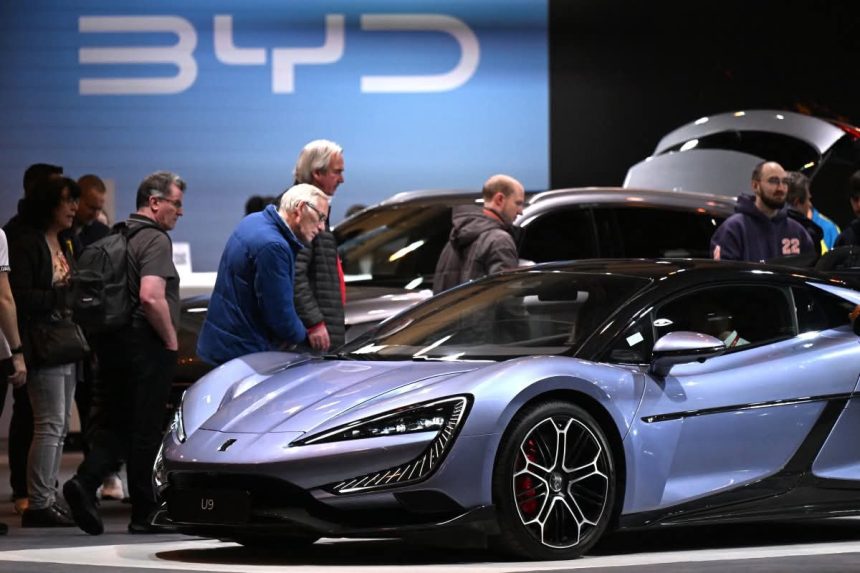
Chinese electric vehicle manufacturer BYD has officially overtaken American automaker Tesla to become the world’s largest seller of battery electric vehicles in 2025, according to newly released global sales data.
BYD delivered approximately 2.26 million fully electric vehicles last year while Tesla’s deliveries fell to around 1.64 million, marking a historic shift in the global electric vehicle market.
Industry analysts say this is the first time Tesla has lost the top annual sales position to a competitor in the pure electric vehicle segment. Tesla’s decline is linked to intensifying competition from Chinese manufacturers, lower priced vehicle offerings, and the end of key government incentives in major markets including the United States.
BYD’s growth story has been driven by strong demand in its home market of China, expanding international sales. The company has also strengthened its presence in Europe, Latin America and Southeast Asia by exporting more than one million vehicles in 2025 – a record annual figure.
BYD’s total passenger vehicle sales reached around 4.54 million units in 2025, demonstrating broad resilience despite some slowing of domestic growth.
Tesla’s global deliveries in 2025 were lower than its 2024 figures, representing the second straight year of annual decline. In the final quarter of the year, Tesla’s deliveries missed expectations, contributing further to its slide in market leadership. While Tesla has introduced lower priced models of its popular vehicles to boost demand, it still trails BYD in overall sales volumes.
Market watchers say this change in leadership reflects shifting dynamics in the electric vehicle industry as Chinese companies like BYD tap growing demand with competitively priced models and rapidly expand their global footprint. Despite the change, Tesla remains a significant brand globally, continues to invest in new technologies, including autonomous driving artificial intelligence and energy storage solutions.
Experts believe the EV market will remain highly competitive in 2026 as automakers around the world increase production, broaden their electric lineups and respond to evolving consumer preferences and regulatory landscapes.