RismadarVoice Reporters
November 17, 2026
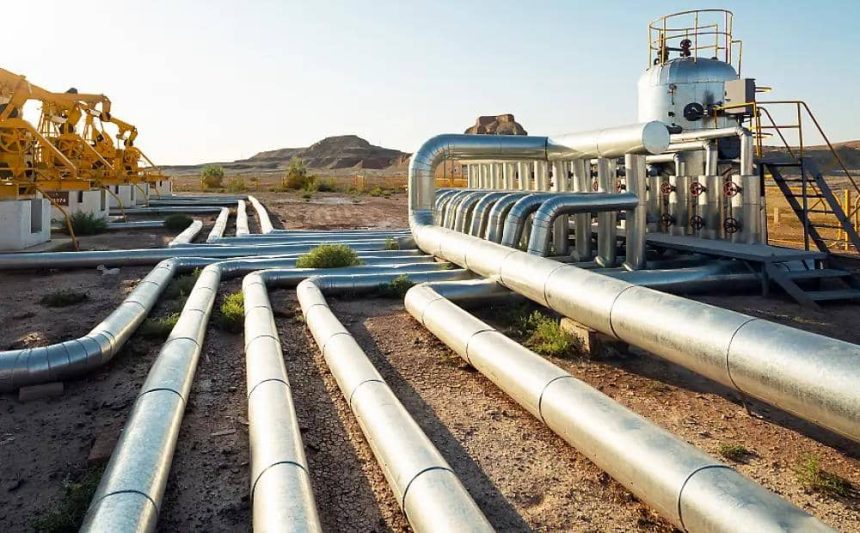
The Nigeria Democratic Congress (NDC) has demanded a forensic audit of ₦11.2 trillion recorded in the Nigerian National Petroleum Company Limited’s (NNPC) financial statements, raising concerns about transparency in petroleum infrastructure security expenditure.
In a statement issued on Tuesday, the spokesperson of the NDC National Campaign Council, Dr Chiogo Constance Ikokwu, accused President Bola Tinubu’s administration of failing to adequately account for funds associated with energy security and other financial obligations.
The opposition party claimed that the ₦11.2 trillion balance exceeded twice the ₦4.91 trillion allocated to defence and security in Nigeria’s 2025 budget.
It also questioned the government’s spending priorities amid persistent insecurity, including kidnapping, violent attacks and threats to communities across the country.
According to the NDC, the 2026 Ministry of Defence allocation of approximately ₦3.15 trillion includes ₦464 billion for capital expenditure, representing about 14.7 per cent of the ministry’s budget.
The party alleged that inadequate releases for military equipment had weakened efforts to modernise the Armed Forces.
However, NNPC’s audited 2025 financial statements classify the ₦11.2 trillion as other receivables from the Federation, covering advances and costs associated with protecting oil and gas assets.

The amount represents a year-end accounting balance, not proof that ₦11.2 trillion was paid to pipeline security contractors during 2025.
The accounts also disclose that no new energy security expense was recognised in 2025, following a reconciliation involving earlier obligations.
Nevertheless, the financial statements do not provide a complete public breakdown separating advances, security-related costs and individual contractor payments.
The NDC consequently demanded an independent forensic audit, disclosure of payments to private contractors and detailed information about military equipment funding and troop welfare.
It also called for greater transparency in petroleum revenue deductions and stronger legislative oversight.
The party recommended increased investment in surveillance technologies, including drones, satellite monitoring and fibre-optic systems, to protect oil infrastructure.

The allegations of political patronage remain unproven, and the audited accounts alone do not establish that public funds were diverted.
The controversy highlights continuing demands for greater transparency in Nigeria’s petroleum revenue management and national security financing.