RismadarVoice Reporters
November 14, 2026
The World Health Organisation (WHO) has commended Nigeria’s response to an imported Ebola case after all 62 identified contacts completed the mandatory 21-day monitoring period without any secondary infection.
The development marks a significant milestone in the country’s efforts to contain the Bundibugyo virus disease following the confirmation of an imported case in Abuja on October 20.
WHO Director-General, Dr Tedros Adhanom Ghebreyesus, welcomed the progress in a statement on Friday, acknowledging the efforts of Nigerian health authorities and frontline responders.
The Nigeria Centre for Disease Control and Prevention (NCDC) confirmed that the last identified contact completed monitoring on November 13.
NCDC Director-General, Dr Jide Idris, said none of the 62 individuals developed Ebola during the observation period.
He explained that 13 contacts reported fever or other non-specific symptoms but subsequently tested negative for the virus.
The agency also investigated seven suspected Ebola alerts across Adamawa, Rivers, Borno, Lagos and Ekiti states, with all cases testing negative.

The imported infection involved a 42-year-old woman who arrived in Abuja from Uganda through Addis Ababa on October 3.
She developed symptoms on October 7 and sought medical attention at a private healthcare facility on October 11.
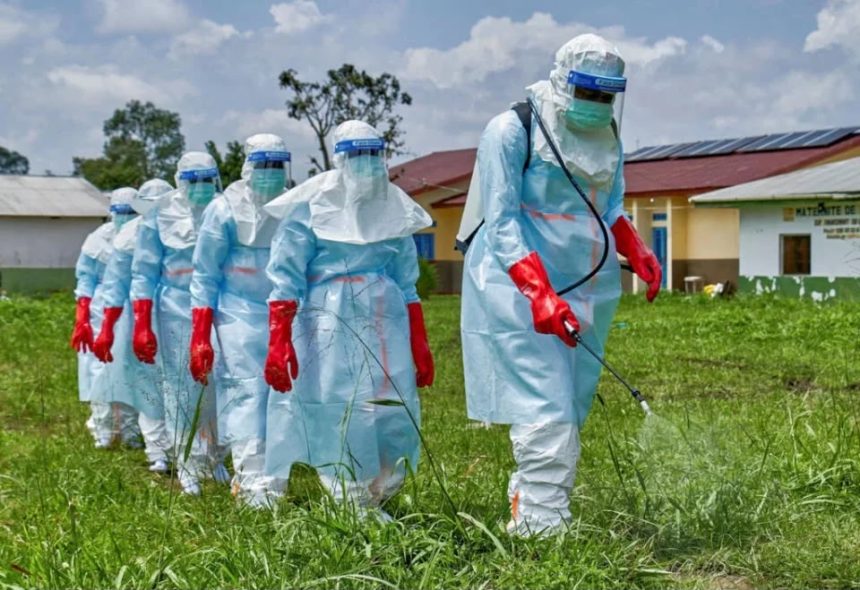
Following laboratory confirmation on October 20, Nigerian authorities initiated contact tracing, surveillance and infection prevention measures to prevent further transmission.
The patient and her husband were medically evacuated to Switzerland on October 26.
The NCDC subsequently confirmed that the woman had recovered, tested negative for the virus and was discharged from hospital on November 11.
Despite the successful completion of contact monitoring, health authorities cautioned that Nigeria had not yet reached the stage for a formal declaration ending the outbreak.
Under WHO protocols, a 42-day observation period must be completed following the recovery or departure of the last confirmed patient before an outbreak can officially be declared over.

The NCDC said its National Emergency Operations Centre would remain activated at Level 3, with heightened surveillance and preparedness measures continuing nationwide.
Idris emphasised that the absence of secondary transmission demonstrated the importance of early detection, contact tracing and coordinated public health intervention.
Health authorities also urged Nigerians to remain vigilant and report suspected symptoms promptly.
The WHO reaffirmed its commitment to supporting Nigeria’s response until the necessary conditions for declaring the outbreak over have been met.