RismadarVoice Reporters
November 4, 2026
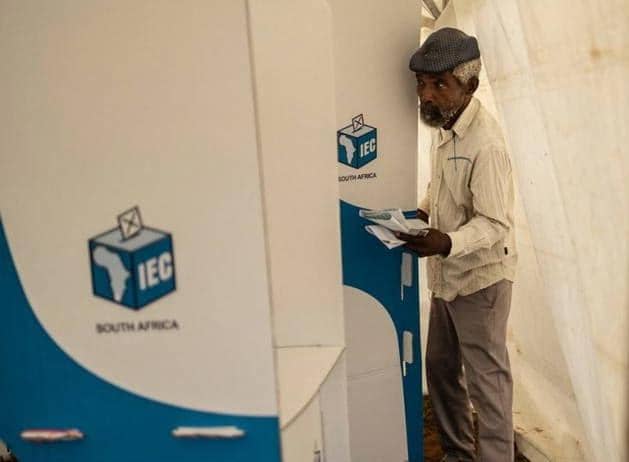
Millions of South Africans are voting in local government elections on Wednesday amid growing dissatisfaction over unemployment, deteriorating infrastructure and unreliable public services.
The elections will determine control of municipalities across the country, including major urban centres such as Johannesburg, Cape Town and Durban.
According to South Africa’s Electoral Commission, approximately 29.2 million people are registered to vote at 23,696 polling stations nationwide.

Voting began at 7am local time and is scheduled to close at 9pm.
The elections come amid widespread concerns about water shortages, electricity disruptions, deteriorating roads and inadequate sanitation services.
Unemployment, which remains above 30 per cent, has also intensified public frustration over economic conditions and government performance.
In Langa, Cape Town, 50-year-old voter Thembinkosi Somana expressed hope that the election would bring improvements in employment opportunities and living conditions.
In Johannesburg, voter Andrea Smith raised concerns about persistent water and electricity problems, reflecting the difficulties facing residents in several urban communities.
Voter participation remains a significant concern following the 2021 municipal elections, when turnout stood at approximately 46 per cent.
The Electoral Commission reported that 1,425,942 people participated in special voting conducted on November 2 and 3, out of approximately 2.66 million approved applicants.
Politically, the elections represent another major contest for the African National Congress (ANC), which has experienced declining electoral support in recent years.
The party lost its national parliamentary majority in the 2024 general election, securing just over 40 per cent of the vote before forming a coalition government.
The Democratic Alliance is seeking to expand its influence in major municipalities, including Johannesburg, while former President Jacob Zuma’s uMkhonto weSizwe party is competing for control of Durban.
The elections are also taking place against a background of increasing political fragmentation, with coalition and minority administrations already governing numerous municipalities.

Voters are electing councillors who will determine the leadership and administration of local governments responsible for essential services.
Political analysts say access to water, electricity, functioning roads and sanitation infrastructure will be central concerns influencing voters’ choices.
The results will also provide an indication of public attitudes towards the country’s major political parties ahead of the 2029 national elections.
Vote counting will begin after polling closes, with the final results expected to clarify the balance of power across South Africa’s municipalities.