




RismadarVoice Reporters
October 20, 2026
Global oil prices surged on Tuesday as escalating tensions in the Middle East, attacks on commercial vessels and rising shipping costs heightened concerns about prolonged disruptions to international energy supplies.
Brent crude, the international oil benchmark, climbed above $111 per barrel during trading, reaching its highest level in approximately five months.
US West Texas Intermediate (WTI) crude futures also advanced, with the expiring November contract briefly approaching $109 per barrel, while the more actively traded December contract rose above $100.

The increase reflected growing uncertainty over oil shipments through the Strait of Hormuz, a strategic waterway connecting major Middle Eastern producers with international markets.
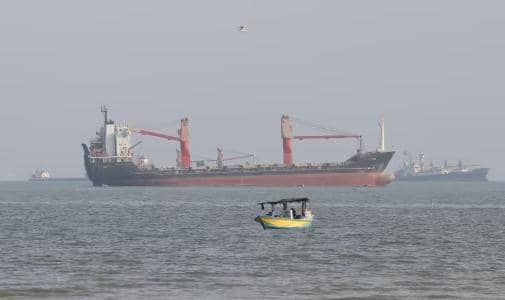
Shipping companies have faced increased security risks following repeated attacks on vessels operating in the region.
According to maritime intelligence firm Kpler, at least 18 vessels were attacked over two weeks, raising concerns about the safety of crews and the reliability of energy transportation.
The escalating security situation has contributed to a sharp increase in tanker charter rates and insurance costs, making crude transportation substantially more expensive.
Market analysts warned that higher transportation expenses could sustain upward pressure on oil prices even where production volumes remained relatively stable.
Deutsche Bank analysts also highlighted rising prices for oil contracts extending into 2027, suggesting that investors were increasingly preparing for an extended period of elevated energy costs.

Regional tensions intensified after Yemen’s Iran-aligned Houthi movement claimed responsibility for attacks targeting energy, airport and military facilities in Saudi Arabia.
The claims have heightened concerns about the possible expansion of hostilities and further disruptions to energy infrastructure.
Meanwhile, weaker-than-expected US housing construction figures added uncertainty to the market, raising questions about the strength of economic activity and future energy demand.
Oil prices subsequently retreated from their intraday highs as investors assessed the competing influences of supply risks and economic weakness.
The increase in crude prices has also renewed concerns about petrol affordability in the United States, where higher fuel costs continue to place pressure on household budgets.
Energy analysts warned that sustained increases in crude prices could eventually translate into higher pump prices, transportation expenses and wider inflationary pressures.

For oil-importing economies, prolonged market disruptions could increase fuel import bills and worsen the cost of living.
Although petroleum-producing countries could benefit from stronger crude export revenues, higher global energy prices may also raise domestic transportation and production costs.
Traders are expected to closely monitor developments in the Strait of Hormuz, regional military activity and diplomatic efforts to determine whether the latest price increases will persist.