

Rismadar Voice Reporter, November 26, 2025
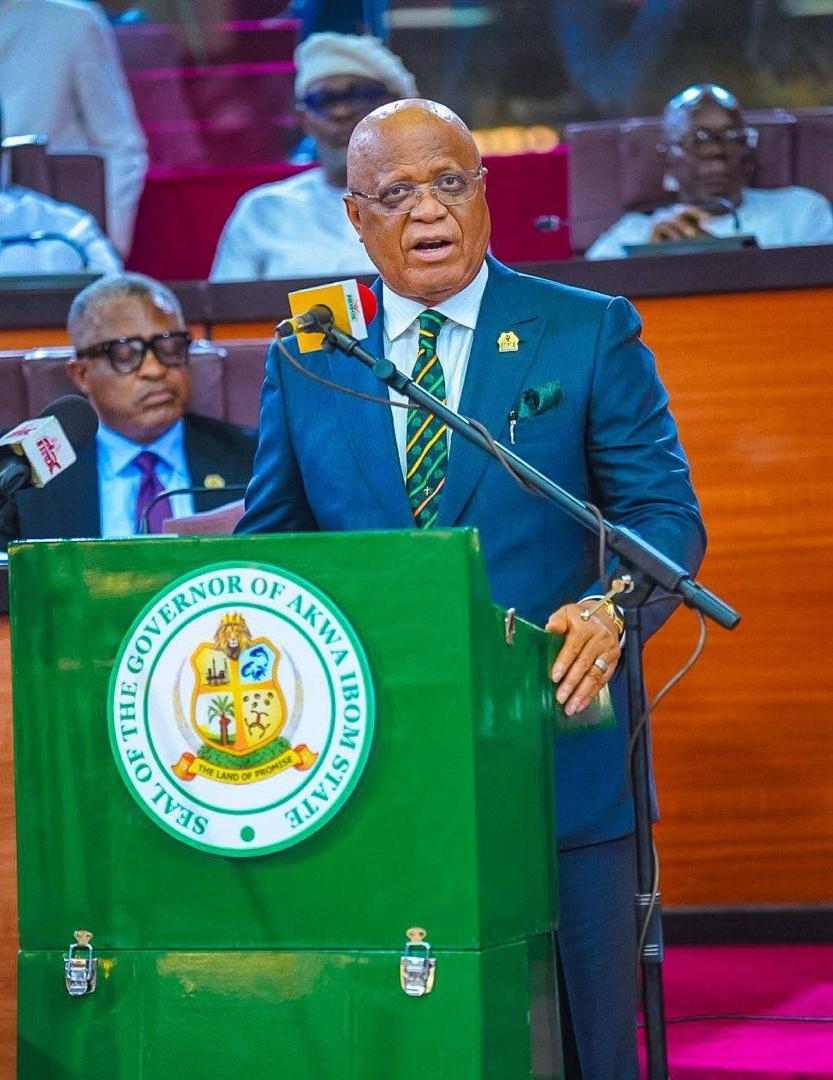
Akwa Ibom State’s proposed ₦1.39 trillion 2026 Appropriation Bill, presented by Governor Umo Eno, marks a strategic shift toward capital development, rural renewal, and people-centered governance.
Far from being a routine fiscal document, the budget outlines clear priorities and an ambitious plan for long-term growth.
Below are the eight major takeaways:
- A LEANER, MORE FOCUSED BUDGET STRUCTURE
The ₦1.39 trillion estimate represents a 16% reduction from the revised 2025 budget. Rather than signalling a downsizing of ambition, the reduction reflects a deliberate effort to streamline costs and concentrate on essential, high-impact projects.
The expenditure structure is striking:
• Recurrent Expenditure: ₦354.867bn (25%)
• Capital Expenditure: ₦1.035trn (75%)
This 75% capital allocation is unusually bold for Nigerian states, where recurrent costs typically dominate. It underscores the administration’s push for infrastructure-led growth and long-term asset creation.
- CLEAR SECTORAL PRIORITIES
The capital votes reveal where government attention is strongest:
• Roads & Infrastructure – ₦387.5bn
• Health – ₦136.1bn
• Education – ₦31.6bn
The elevated health allocation aligns with the administration’s continued expansion of healthcare access since 2023, while the massive roads vote targets rural connectivity and economic diversification.
- A TRULY PEOPLE-DRIVEN BUDGET
One of the standout features is the depth of citizen participation. Inputs were sourced across:
• All 10 federal constituencies
• All 31 LGAs
• Town Hall Meetings
• Needs Assessment Reports
Rarely do state budgets reflect this level of grassroots consultation. Governor Eno’s directive that every LGA gets at least one major project reinforces fairness and inclusion.
- AGRICULTURE AS THE ECONOMIC FOUNDATION
The 2026 budget builds on the ongoing agricultural transformation:
• 69,107 farmers supported
• 13,060 equipped with processing machines
• A major Palm Crop Revolution underway
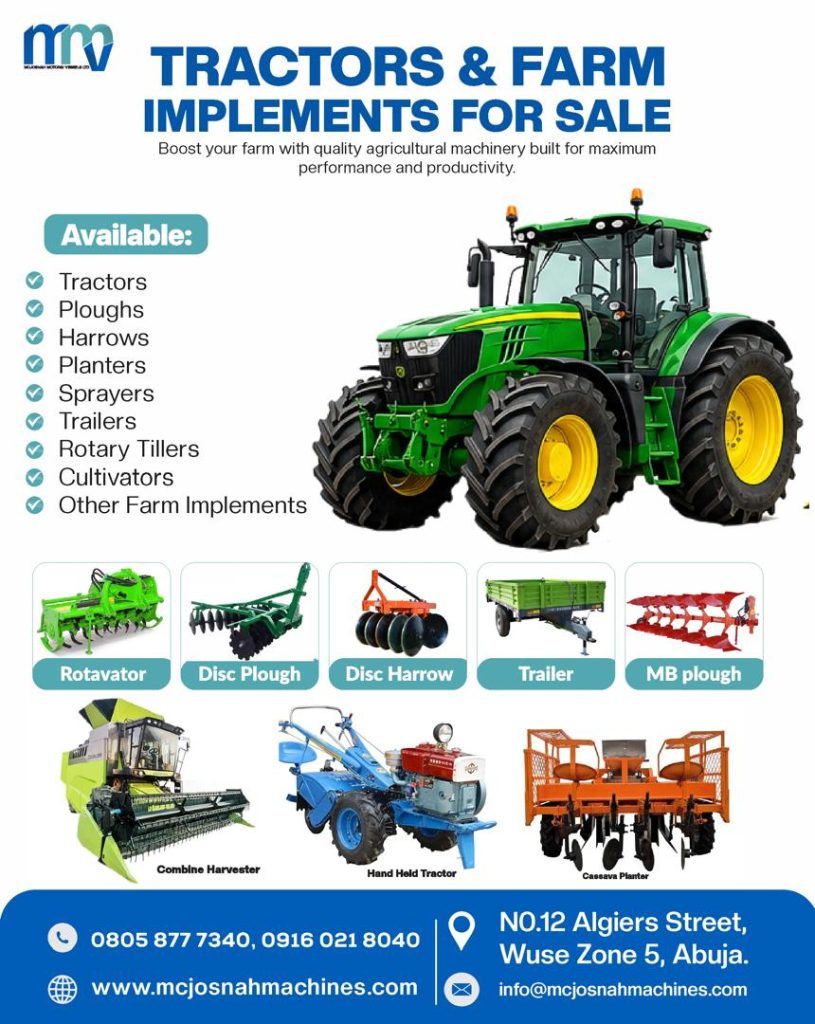
• New tractors and a tractor leasing company in view
These initiatives mark a shift from subsistence farming to agriculture as a true wealth-creating sector. Moving AKADEP to the SSG’s office further strengthens oversight and efficiency.
- ZERO BORROWING: A RARE DISPLAY OF FISCAL DISCIPLINE
A defining highlight is that the state’s major projects are being executed without borrowing—a notable contrast to many states heavily dependent on loans.
This enhances:
• Fiscal stability
• Investor confidence
• Creditworthiness
• Long-term sustainability
It also validates the Governor’s position that increased revenues post-subsidy removal are bolstering state finances.
- FULL ALIGNMENT WITH THE ARISE AGENDA
The budget aligns tightly with the ARISE Agenda’s pillars:
• Agriculture
• Rural development
• Healthcare
• Social welfare
• SME support
• Infrastructure modernization
This reflects continuity and reinforces the development philosophy that has shaped the administration since 2023.
- REALISTIC REVENUE PROJECTIONS
Projected capital receipts include:
• ₦791.978bn – Consolidated Revenue Fund
• ₦243.155bn – Other capital receipts
The slight downward revision from 2025 indicates a more cautious, realistic revenue outlook, reducing the risk of over-projection and fiscal mismatch.
- EXECUTIVE–LEGISLATIVE SYNERGY
The Speaker’s remarks during the presentation highlighted the smooth collaboration between both arms of government—critical for:
• Quick budget passage
• Effective oversight
• Prevention of waste
• Seamless project implementation
Historical patterns in Akwa Ibom show that this synergy is key to sustaining development momentum.

OVERALL VERDICT
Akwa Ibom’s 2026 budget is:
• Ambitious but grounded in realism
• People-oriented and equity-driven
• Strongly capital-focused
• Anchored on agricultural and rural transformation
• Steeped in fiscal discipline
• Aligned with long-term development goals
If fully implemented, this budget has the potential to accelerate economic growth, deepen rural renewal, and significantly uplift living standards.