RismadarVoice Reporters
September 29, 2026
The Obidient Movement has opposed the Independent National Electoral Commission’s deployment of Artificial Intelligence ahead of the 2027 general elections, demanding greater transparency and independent scrutiny of the technology.
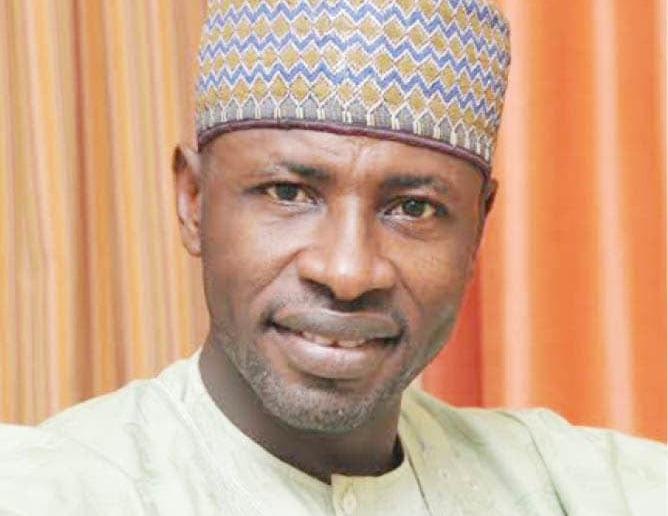
National Coordinator of the movement, Yunusa Tanko, stated this on Tuesday following INEC Chairman, Prof. Joash Amupitan’s disclosure that the commission had begun deploying AI tools in its results management process.
Tanko argued that concerns surrounding electoral transparency, result transmission and institutional accountability should be addressed before introducing additional technology.

“The same INEC that has failed to address the most basic issues surrounding electoral transparency, result transmission and the credibility of its processes is now announcing plans to deploy Artificial Intelligence in the 2027 elections,” he said.
“We reject this proposal in its entirety, particularly as the Commission has failed to explain how this technology will work, what problems it is intended to solve and what safeguards will prevent its abuse.”
The movement called on INEC to publish a comprehensive plan detailing the technologies, procedures and safeguards it intends to deploy for the elections.
It also demanded an independent audit of INEC’s electoral technology, public disclosure of the findings and independent testing of any proposed AI systems before deployment.
Tanko maintained that introducing new technology would not, by itself, guarantee credible elections without institutional accountability and transparent result transmission.
“Introducing AI into a system that has yet to account for its existing failures is not electoral reform,” he said.
INEC, however, says its AI programme is intended to strengthen rather than replace existing electoral processes.
Amupitan said the commission had begun using AI tools to detect discrepancies and administrative errors in result records before final validation, with automated checks remaining subject to human auditing and legal verification.

He also disclosed that INEC had established an Artificial Intelligence Division within its ICT Department and developed an AI Roadmap and Governance Framework covering human oversight, transparency and accountability, data protection, cybersecurity and public trust.
The INEC chairman also warned that AI-generated disinformation could pose a threat to the elections through fabricated result sheets, cloned voices, manipulated videos and forged official documents.
Tanko urged the commission to reconsider its approach and ensure that any technology deployed for the elections is transparent and open to public scrutiny.