RismadarVoice Reporters
September 3, 2026
Republican leaders and candidates in Texas and other US states are increasingly moving away from supporting rapid expansion of artificial intelligence data centres, as concerns grow over electricity demand, water usage and community impact.
The shift marks a change from the party’s previous support for large-scale technology investments and contrasts with President Donald Trump’s continued backing of artificial intelligence development.
Texas Governor Greg Abbott, who previously described the state as a major hub for AI growth, has called for tougher regulations on data centre construction as he campaigns for re-election.

Abbott is proposing restrictions on new developments, the removal of some tax incentives and limits on projects in rural areas. A state audit announced in August has also slowed approvals for new electricity connections to data centres.
The growing opposition is not limited to Texas. Republican candidates in states including Michigan, Wisconsin and Pennsylvania have also adopted stricter positions on data centre expansion ahead of the November elections.
Political analysts say the issue reflects a conflict between support for economic growth and concerns among voters over rising living costs and pressure on local resources.
“The debate is pitting pro-growth instincts and the push to beat China in the AI race against a populist backlash over affordability,” Republican strategist Brad Dayspring said.
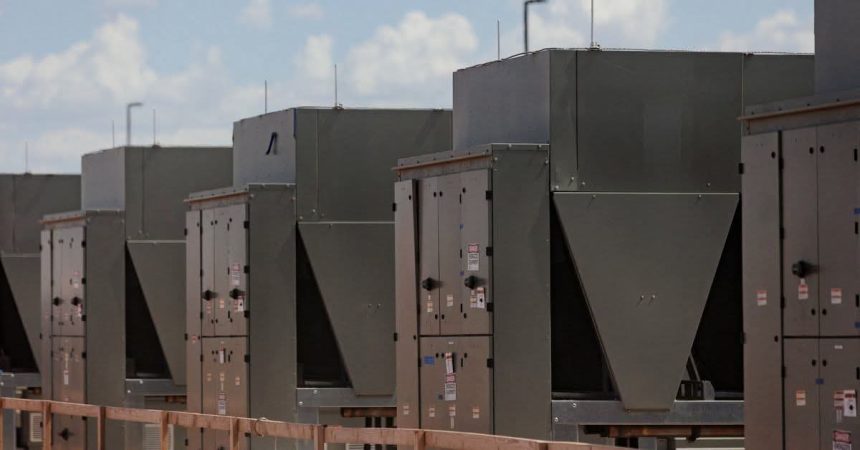
Texas, traditionally a business-friendly state, has attracted major technology companies because of its available land, energy resources and favourable regulations. Companies including SpaceX and Oracle have established major operations in the state, while OpenAI is developing its Stargate data centre campus in Abilene.
However, opposition has increased among residents who argue that large data centres increase electricity and water costs, create environmental concerns and provide fewer jobs and tax benefits than expected.
An August survey by the Texas Politics Project found that only 30% of respondents supported having a data centre built in their community.
Republican Attorney General Ken Paxton, who is contesting a Senate seat, has also changed his position on artificial intelligence infrastructure, announcing plans aimed at maintaining US competitiveness while addressing what his campaign described as the negative effects of data centres.
The policy shift has created tension within the Republican Party, with Trump criticising opponents of data centre development and warning that resistance could leave the country economically disadvantaged.
Republican officials have, however, defended the differing approaches, saying candidates should respond to the concerns of their individual communities.

Technology companies have increased efforts to influence public opinion, investing hundreds of millions of dollars in political campaigns and public awareness efforts to highlight the economic benefits of data centres.
Election records show AI-related companies and affiliated political groups have spent millions of dollars supporting candidates and initiatives connected to the data centre debate.
Analysts say the issue has become one of the few areas where both Democratic and Republican voters have expressed similar concerns, creating a new political challenge for the technology industry as demand for AI infrastructure continues to grow.