RismadarVoice Reporters, June 29, 2026
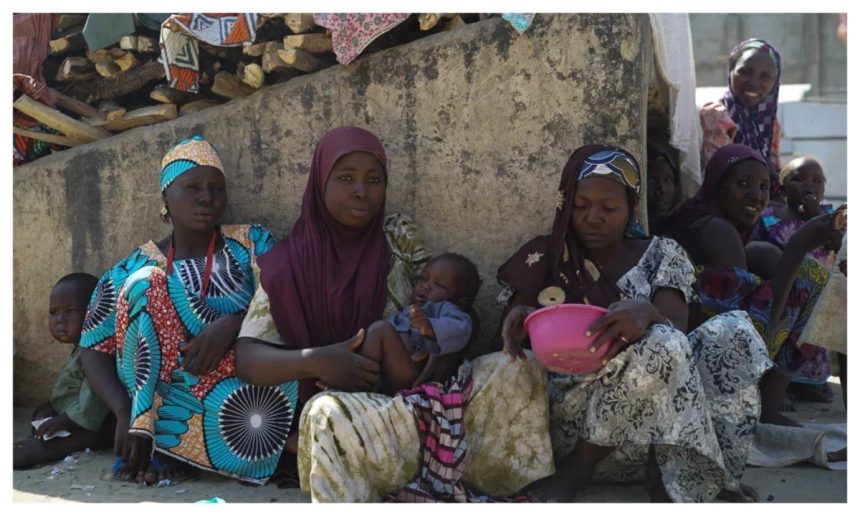
Two public affairs commentators have challenged recent remarks by presidential spokesman Bayo Onanuga dismissing reports of widespread hunger in Nigeria, insisting that available economic data and the daily experiences of citizens point to a deepening cost-of-living crisis.
RISMADARVOICE once reported that Onanuga, the Special Adviser to the President on Information and Strategy, had defended the Federal Government’s economic reforms during an interview on Arise Television, arguing that claims of widespread hunger were exaggerated.
According to him, his interactions with people around him did not reflect the level of hardship being portrayed in public discourse.

His comments have, however, drawn criticism from analysts who argue that personal observations cannot substitute for nationwide economic indicators.
Abdulauf Adamu, Director of Consultancy Services for Information and Communication Technology at Jigawa State Polytechnic, Kazaure, said assessing the well-being of more than 220 million Nigerians based on conversations with a handful of employees was inadequate.
Speaking further, he argued that the country’s food insecurity is supported by empirical evidence from national and international organisations rather than anecdotal experiences.
According to Adamu, reports by the Food and Agriculture Organisation (FAO) and the World Food Programme (WFP) have consistently identified Nigeria as one of the countries facing worsening food insecurity, with millions of citizens at risk of severe hunger.
He also pointed to National Bureau of Statistics (NBS) data showing sustained increases in food prices, saying the rising cost of staple foods has placed significant pressure on household incomes.
Adamu noted that many families now spend a substantial portion of their earnings on food, leaving little for education, healthcare and other essential needs.

He added that soaring prices of cooking gas, petrol, diesel and electricity have further compounded the economic burden on households and small businesses.
“The challenge facing many Nigerians goes beyond food. Rising transport costs, energy prices and inflation have combined to reduce purchasing power and worsen living conditions,” he said.
He warned against dismissing reports of hardship, arguing that infrastructure development alone cannot offset the effects of declining household incomes.
“Roads and other infrastructure projects are important, but they do not replace the need for affordable food or improve the ability of families to meet their daily needs,” he added.
Adamu urged government officials to acknowledge the realities facing citizens and adopt policies capable of addressing the growing cost-of-living crisis.
Political analyst Kabiru Ojo also criticised the dismissal of reports of hunger, urging public officials to engage directly with ordinary Nigerians before making public statements on the country’s economic situation.

He said the hardship experienced by many households is evident in rising living costs, reduced purchasing power and the increasing number of people seeking financial assistance in public places.
According to Ojo, inflation has significantly increased the cost of food, housing, education and transportation, forcing many families to make difficult financial decisions.
He said some parents have withdrawn their children from private schools or transferred them to more affordable institutions because of economic pressures.
Ojo acknowledged that recent policy measures, including the implementation of the new national minimum wage and government food import initiatives, may have provided limited relief in some areas.
However, he maintained that the overall economic situation remains difficult for many Nigerians.
While noting a slight improvement compared with the previous year, he said the hardship remains widespread and continues to affect household welfare.
He urged government representatives to conduct broader public consultations and rely on comprehensive data when assessing citizens’ living conditions.
“The experiences of ordinary Nigerians should remain central to policy discussions. Direct engagement with communities provides a clearer picture of the challenges many households continue to face,” he said.