RismadarVoice Reporters, June 20, 2026
A sweeping exam malpractice scandal has shaken India’s education system, forcing authorities to cancel results, order mass retests, and temporarily ban the Telegram messaging app amid allegations that exam papers were leaked online.
The controversy centres on this year’s National Eligibility cum Entrance Test (NEET), a highly competitive examination that serves as the gateway to medical schools across India.
More than two million students sat for the exam, which tests candidates in physics, chemistry and biology and is widely regarded as one of the country’s most demanding academic hurdles.

Authorities said the May 3 examination was compromised after evidence emerged that question papers had been circulated in advance through online networks. As a result, the National Testing Agency ordered all candidates to retake the test, a decision that has left many students devastated.
For 18-year-old Ridhvi Saxena, the announcement erased months of preparation and years of ambition.
“I feel very cheated and betrayed by the system,” she said in a phone interview. “I was excited for college, but now I have to go back to where I started after working so hard to move forward.”
Saxena, who had previously attempted the exam, said she now feels emotionally exhausted and uncertain about facing the retest scheduled for Sunday.
“I’ve spent years sacrificing time with family and living under constant pressure,” she said. “And just when I thought it was over, everything was taken away.”

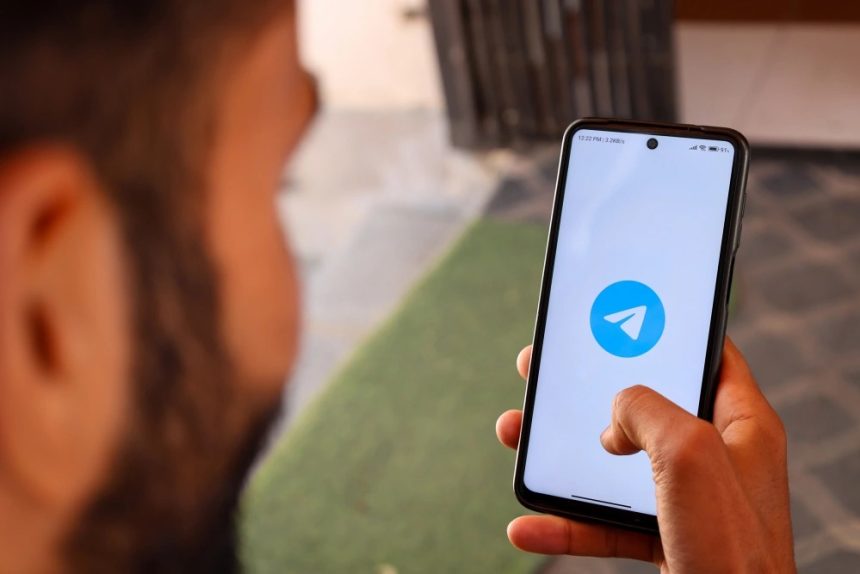
The fallout has also prompted government action beyond the education sector. India’s Ministry of Electronics and Information Technology imposed a temporary nationwide ban on Telegram, alleging that organised “cheating rackets” used the platform to distribute leaked exam materials.
Officials said the restriction, which runs until June 22, was necessary to safeguard the integrity of national examinations under laws protecting sovereignty and security.
However, the move has sparked debate over digital rights and enforcement effectiveness. Telegram founder Pavel Durov criticised the decision, arguing that it unfairly affects millions of legitimate users while failing to target those responsible for the leaks.
Digital rights groups have also raised concerns, warning that the ban could set a precedent for broader restrictions on online platforms.
The Internet Freedom Foundation, a non-profit organisation in India, said the action raised serious questions about internet freedom and accountability in addressing cybercrime.
Despite the government’s justification, many students remain unconvinced that the measures address the root of the problem.
“The leaks will just move to other platforms,” said one student, noting that determined users can bypass restrictions using virtual private networks.
Others say the scandal reflects deeper systemic issues within India’s examination system, which has faced repeated allegations of leaks, technical failures and administrative lapses in recent years.
Student protests have erupted in several cities, adding pressure on education authorities already dealing with public criticism over flawed digital grading systems and exam irregularities.
While officials insist that new safeguards have been introduced for the upcoming retest, anxiety among candidates remains high.
“We’re expected to perform at our best,” said another student, “but it’s hard to trust a system that keeps failing us.”

As investigations continue, the scandal has intensified scrutiny of India’s examination infrastructure and raised broader questions about fairness, technology and trust in one of the world’s largest education systems.