

RismadarVoice Reporters, April 24, 2026
The Chartered Institute of Logistics and Transport has called for closer collaboration with the Economic and Financial Crimes Commission (EFCC) to improve Nigeria’s transport and logistics systems while addressing vulnerabilities linked to financial crimes.
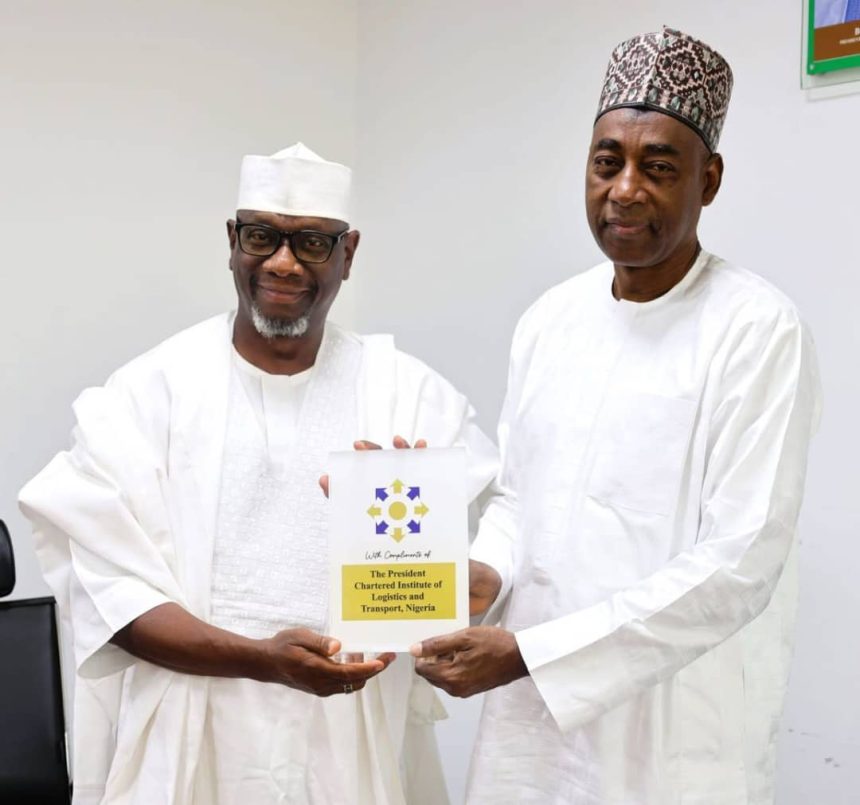
The appeal was made on Thursday, April 23, 2026, when the President and Chairman of the Council of CILT, Boboye Oyeyemi, led a delegation on a courtesy visit to the EFCC’s corporate headquarters in Abuja, where they were received on behalf of the Executive Chairman, Ola Olukoyede.
Speaking during the visit, Oyeyemi proposed a partnership anchored on advocacy, professional training, and integrity programmes within Nigeria’s transport and logistics sector. He noted that raising anti-corruption awareness among industry operators would help curb systemic inefficiencies and promote transparency.
He further identified professional ethics and capacity-building initiatives as critical areas of collaboration. According to him, structured training programmes and certification for EFCC personnel in logistics and transportation could enhance investigative processes, particularly in cases where supply chain operations play a central role.
Oyeyemi also highlighted the importance of integrating logistics expertise into the Commission’s training framework, suggesting that CILT members could deliver lectures at the EFCC Academy to strengthen the professional competence of cadets before graduation.
Beyond training, he stressed the role of logistics in effective investigations, noting that transportation and supply chain systems are often central to uncovering financial crimes. He added that offering professional membership to EFCC staff could reduce operational costs and improve efficiency.
Addressing broader sectoral challenges, Oyeyemi pointed to persistent logistical bottlenecks, especially delays in clearing goods at Nigerian seaports. He attributed these setbacks to systemic inefficiencies and duplication of processes, warning that such issues could deter foreign investment and undermine the country’s global competitiveness.
Despite these challenges, he expressed optimism about a potential partnership, emphasising shared values between both institutions in promoting integrity, professionalism, and national development.
Responding on behalf of the EFCC Chairman, the Secretary to the Commission, Mohammed Hammajoda, welcomed the initiative and assured the delegation of the Commission’s readiness to collaborate within the scope of its legal framework.
Hammajoda acknowledged existing gaps in Nigeria’s logistics and multimodal transportation systems, noting that the EFCC remains open to partnerships that could strengthen institutional capacity and support its mandate.
The proposed collaboration signals a growing recognition of the intersection between logistics systems and financial crime prevention, as stakeholders seek more integrated approaches to governance and economic development.