By Micah Jonah, March 2, 2026
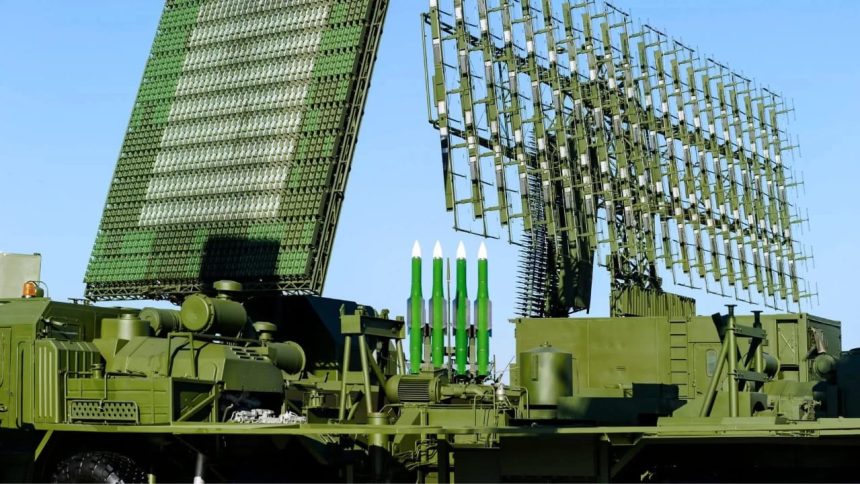
Iran’s recently imported Chinese-made YLC-8B long-range surveillance radar, promoted as a potential counter to Western stealth aircraft, is facing intense scrutiny following the opening phase of the latest US-Israeli air campaign.
Delivered earlier this year, the UHF-band system was publicly framed by Iranian media as a “stealth-detection” upgrade capable of tracking advanced aircraft such as the F-35 Lightning II and the B-2 Spirit at extended ranges.
However, early battlefield reporting and defence analysis suggest that possession of low-frequency radar technology alone does not guarantee airspace control against coordinated stealth and electronic warfare operations.
Marketing Versus Combat Reality:
The YLC-8B operates in the UHF frequency band, which is often cited by defence manufacturers as more capable of detecting low-observable aircraft compared to higher-frequency radars. While such systems can sometimes identify the presence of stealth aircraft at longer ranges, detection does not automatically translate into precise tracking or successful missile engagement.
Military analysts note that effective air defence requires a layered and integrated network combining surveillance radars, fire-control systems, command-and-control links and electronic counter-countermeasures.
During the early stages of the operation, US and Israeli aircraft reportedly conducted coordinated suppression-of-enemy-air-defence (SEAD) missions, employing electronic attack capabilities alongside stealth penetration tactics.
Mobility And Survivability:
The YLC-8B is marketed as highly mobile, capable of being deployed or dismantled within roughly 30 minutes to reduce vulnerability to anti-radiation missiles. Such mobility is designed to complicate targeting by adversaries.
Nevertheless, defence observers caution that even mobile radar systems can face challenges when confronted with sustained electronic warfare designed to disrupt, jam or degrade sensor performance.
Broader Pattern Of Debate:
Claims circulating online that Iran’s “anti-stealth” network was fully neutralised have not been independently verified. No official damage assessments from Washington, Tel Aviv or Tehran have detailed the operational status of specific radar sites.
At the same time, analysts emphasize that no radar system Western, Russian or Chinese is immune to electronic warfare when operating in a contested battlespace. Modern air campaigns rely on a combination of stealth design, cyber capabilities and electromagnetic spectrum dominance rather than a single technological advantage.
Strategic Implications:
The episode underscores a broader reality in contemporary warfare; technological branding and export claims often face their most significant test under combat conditions.
For Tehran, the performance of its air defence network will likely influence future procurement and integration decisions. For Beijing, whose defence exports have expanded in recent years, the operational perception of its systems could carry diplomatic and commercial implications.
As the conflict unfolds, concrete assessments of radar survivability and detection effectiveness are expected to emerge gradually. However, much of the debate remains shaped by competing narratives rather than confirmed battlefield evidence.