


By Micah Jonah
March 1, 2026
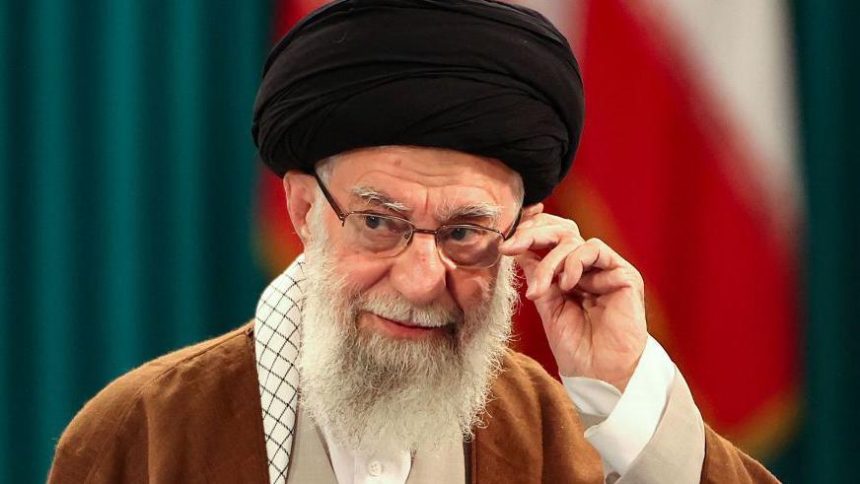
Iran has confirmed the death of its Supreme Leader, Ali Khamenei, following massive, coordinated air strikes by the United States and Israel, a development that has plunged the Middle East into one of its most dangerous crises in decades.
Iranian state media announced early Sunday that the 86-year-old cleric was killed at his office in Tehran during the bombardment. The report described the attack as “cowardly” and declared 40 days of national mourning.
The strikes, launched by the US and Israel, reportedly targeted key military and nuclear installations across Iran. Washington confirmed the deployment of Tomahawk cruise missiles, stealth fighter jets and attack drones. The operation marks the most significant US military action in the region since the Iraq war.
President Donald Trump described the development as the “greatest chance” for Iranians to reclaim their country, suggesting the strikes could pave way for regime change in Tehran.
Israel’s Defence Minister Israel Katz said “justice has been served,” adding that the military would continue operations to defend the country as air raid sirens sounded across Israeli cities amid Iranian retaliation.
Iran’s Parliamentary Speaker, Mohammad Baqer Qalibaf, warned that the US and Israel had crossed a red line and “will pay for it.” The Revolutionary Guards threatened what they called the “most intense” offensive against Israel and US bases in the region. Explosions were reported in Tel Aviv, while loud blasts were also heard in parts of the Gulf, including Dubai.
The crisis has triggered widespread panic in Iran, with residents fleeing major cities amid fears of further strikes. Major Middle Eastern airports, including Dubai and Doha, temporarily shut down, causing severe disruptions to global air travel. Airlines across Europe and Asia announced sweeping cancellations as regional airspace closures created aviation chaos.
Khamenei, who ruled Iran for 36 years after succeeding Ruhollah Khomeini, built his leadership on staunch opposition to the US and Israel. His death leaves a significant power vacuum in Tehran, with analysts warning of uncertainty over succession and the possibility of hardline Revolutionary Guard figures consolidating control.
Exiled opposition figure Reza Pahlavi, son of Iran’s last Shah, welcomed the development and reiterated calls for a political transition, though his influence inside Iran remains unclear.
Global leaders have urged restraint, fearing the conflict could spiral into a wider regional war. As missiles fly, threats escalate, the Middle East now stands at a historic crossroads, with the aftermath of Khamenei’s death likely to reshape Iran’s political future and regional stability for years to come.