By Micah Jonah, February 24, 2026
Fresh Pakistani air raids inside eastern Afghanistan have shattered a fragile ceasefire, heightened regional tensions, as Islamabad grapples with rising militant attacks at home and growing ties between India and the Taliban-led government in Kabul.
The Pakistani military said it carried out intelligence-based strikes targeting camps of the Tehreek-e-Taliban Pakistan (TTP) in Afghanistan’s Nangarhar and Paktika provinces, claiming dozens of militants were killed.
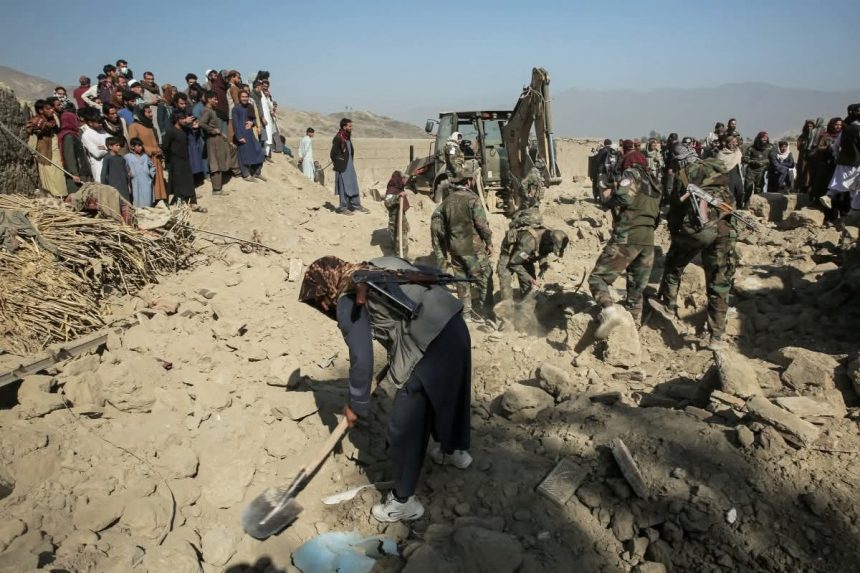
Kabul, however, rejected the claims, stating that the strikes hit civilian areas, including a religious school and residential homes, resulting in casualties among women and children. Afghan authorities vowed what they described as a measured and appropriate response.
The escalation followed a string of deadly attacks inside Pakistan, including a suicide bombing at a mosque in Islamabad and assaults on security personnel in Khyber Pakhtunkhwa province. Pakistani officials have blamed the TTP, alleging that its leadership operates from Afghan territory; an accusation the Taliban government denies.
The cross-border strikes have effectively ended a tenuous ceasefire brokered last year after rounds of talks involving regional mediators. Previous border clashes had already strained relations between Islamabad and Kabul.
The situation has drawn in India, Pakistan’s long-time rival. New Delhi condemned the Pakistani air raids and expressed support for Afghanistan’s sovereignty and territorial integrity.
Observers in Islamabad view India’s reaction as further evidence of warming ties between New Delhi and the Taliban authorities. India reopened its embassy in Kabul last year and hosted Afghanistan’s Foreign Minister, Amir Khan Muttaqi, in what was seen as a significant diplomatic engagement since the Taliban’s return to power in 2021.
Security analysts say Pakistan now faces mounting pressure on two fronts, persistent tensions along its eastern border with India and escalating violence along its western frontier with Afghanistan.
According to the Islamabad-based Pak Institute for Peace Studies, militant attacks rose sharply last year, with hundreds killed in what was described as one of the deadliest periods in nearly a decade.
Experts argue that while air raids may signal resolve, Islamabad’s long-term strategy will likely require a combination of diplomatic engagement, intelligence cooperation and economic incentives to persuade Kabul to act against armed groups.
With Afghanistan’s Taliban leadership pledging retaliation and India stepping up its engagement with Kabul, analysts say Pakistan’s strategic options are narrowing in an increasingly volatile regional landscape.