By Micah Jonah, February 24, 2026
Slovakia has suspended emergency electricity supplies to Ukraine following a dispute over the transit of Russian oil through Ukrainian territory.
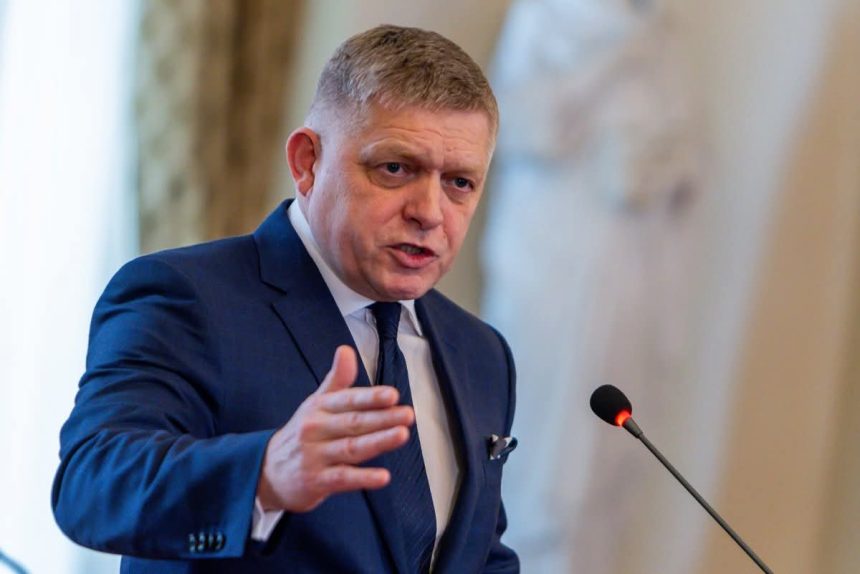
Prime Minister Robert Fico announced that Bratislava would stop providing power support to Kyiv until the reopening of the Soviet era Druzhba pipeline, which transports Russian crude oil to Slovakia.
Fico stated that if Ukraine requests assistance in stabilizing its energy grid, such support would not be granted until oil flows are restored. He added that the suspension would be lifted immediately once transit resumes.
The Druzhba pipeline, one of the longest oil pipelines in the world, carries Russian crude through Ukraine into several Central European countries. Supplies were disrupted after what Ukrainian authorities described as damage caused by a Russian drone strike on infrastructure in late January. Kyiv says repair efforts are ongoing.
Ukraine’s grid operator, Ukrenergo, said it had not received formal notification of Slovakia’s decision but maintained that the move would not significantly affect the country’s unified power system. It noted that the last request for emergency electricity from Slovakia was made over a month ago and involved limited volumes.
Slovakia and neighbouring Hungary have remained reliant on Russian oil despite European Union measures imposed after Moscow’s invasion of Ukraine in 2022. The EU embargo on most Russian oil imports exempted the Druzhba pipeline to allow landlocked Central European states time to diversify their supplies.
Fico described the continued halt in oil transit as politically motivated, warned that Slovakia could reconsider its stance on Ukraine’s European Union membership if the dispute persists.
Hungary has also pressed for the resumption of oil deliveries, linking the issue to broader discussions within the European Union, including financial assistance packages for Ukraine.
The development adds fresh strain to regional energy relations as the conflict between Russia and Ukraine approaches its fourth year, with energy security remaining a key pressure point across Central and Eastern Europe.