

By Micah Jonah
February 22, 2026
In a dramatic escalation of tensions along the Pakistan-Afghanistan border, Pakistan’s military launched a series of air strikes early on Sunday, targeting what it described as “camps and hideouts” of armed groups accused of recent deadly attacks in Pakistan.
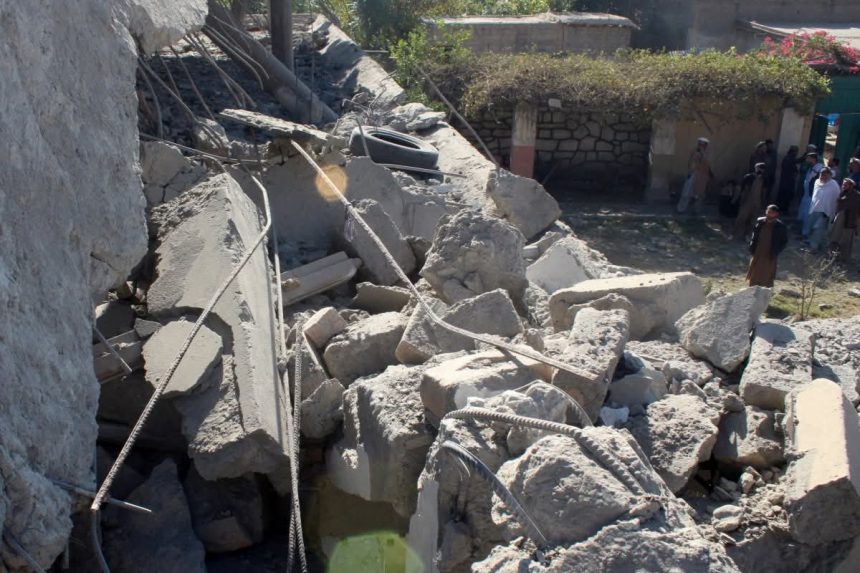
The Afghan Ministry of Defence condemned the strikes, saying residential homes and a religious school in Nangarhar and Paktika provinces were hit, leaving dozens dead or injured, including women and children. In Nangarhar’s Bihsud district alone, at least 17 people were killed, and six remain missing under rubble.
Pakistan’s Ministry of Information said its operations were “intelligence-based, selective,” targeting Tehrik-e-Taliban Pakistan (TTP) camps, affiliates, and an Islamic State cell operating across the border. Islamabad claims these groups were behind suicide bombings in Bajaur, Bannu, and the December mosque attack in Islamabad that killed 31 worshippers.
“The Pakistanis continue to insist these are targeted operations against fighters using Afghan soil to launch attacks. We have repeatedly warned Afghan authorities to prevent this, but they have failed to act,” the ministry said.
The air strikes threaten a fragile ceasefire negotiated after deadly border clashes last October that killed dozens of soldiers and civilians. Afghan officials called the attacks a “breach of international law”, promised a “measured and appropriate response.”
The cross-border tensions follow a wave of recent attacks inside Pakistan, including a suicide bombing in Bajaur on Monday that killed 11 soldiers and a child, and previous attacks in Islamabad’s capital that authorities allege were planned and trained in Afghanistan.
The escalation underscores the precarious security situation in the region, with both countries accusing each other of harboring militants, while ordinary civilians bear the brunt of the violence.
PAKISTAN STRIKES AFGHAN SOIL; DOZENS DEAD IN CROSS-BORDER AIR ATTACKS



Leave a Comment
Leave a Comment