RismadarVoice Reporters, February 21, 2026
Agents of the Peoples Democratic Party (PDP) and the African Democratic Congress (ADC) have accused the ruling All Progressives Congress (APC) of attempting to financially induce voters at Polling Unit 035 in Nyanya during Saturday’s Federal Capital Territory (FCT) Area Council elections.
The allegation, sparked tension at the polling unit as opposition agents protested what they described as efforts by suspected APC intermediaries to distribute cash to voters.
According to an opposition agent who spoke on condition of anonymity, individuals allegedly approached voters in the queue and offered ₦1,000 in exchange for their support.
“Some people we suspect to be APC intermediaries came to speak with voters. They were giving ₦1,000, but we openly rejected and spoke against it. That was why the situation became unruly for a while, but calm was restored after they left,” the agent said.
An ADC agent also condemned the development, questioning the role of security personnel at the scene.
“They are sharing ₦1,000 per voter and security personnel are watching. How can such a thing be allowed? We will not tolerate it,” the agent said.
The confrontation briefly disrupted the orderly queue, with voters exchanging heated words along party lines. At one point, a voter appealed to the protesting agents, warning that such actions could lead to the cancellation of the polling unit’s results.
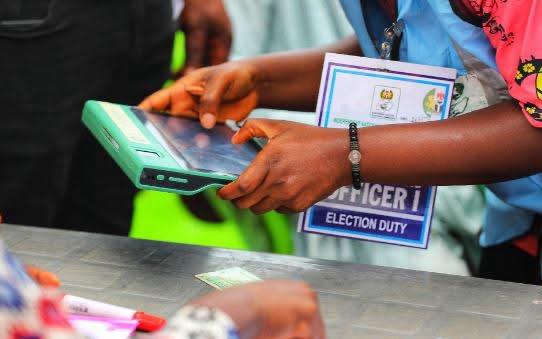
Voting later resumed normally after security operatives from the Nigeria Police Force and the Nigeria Security and Civil Defence Corps restored order and monitored the process.
Commercial activities around the polling area were largely suspended, with most businesses closed except for essential services such as the Nyanya General Hospital.
Vote buying has been a recurring concern in Nigerian elections, raising questions about the integrity of the democratic process. Electoral observers, civil society organizations, and the Independent National Electoral Commission (INEC) have repeatedly warned that financial inducements undermine free and fair elections.
Analysts say poverty, unemployment, and weak monitoring mechanisms leave voters vulnerable to such influence. Despite criminal provisions in Nigeria’s Electoral Act, enforcement remains a challenge, with recent reports highlighting more discreet methods of inducement, including electronic transfers and the use of agents stationed near polling centres.