By Micah Jonah, February 20, 2026
The United States has paid approximately $160 million out of more than $4 billion it owes the United Nations, according to a spokesperson for the global body.
The payment represents a partial settlement of outstanding dues to the UN’s regular budget, with officials confirming that the funds were received last week.
Despite the remittance, UN figures indicate that the US still owes about $2.19 billion to the organisation’s regular budget, accounting for more than 95 per cent of the total unpaid contributions by member states. In addition, Washington reportedly owes around $2.4 billion for current and past peacekeeping missions, as well as $43.6 million for UN tribunals.
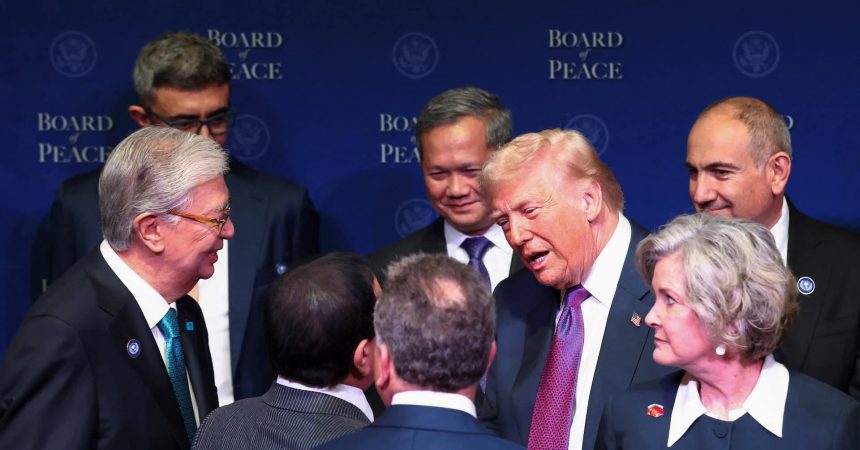
US President, Donald Trump announced during the inaugural meeting of his “Board of Peace” initiative that the United States would provide financial support aimed at strengthening the United Nations.
“We’re going to help them money-wise, and we’re going to make sure the United Nations is viable,” Trump said, while also remarking that the organisation had not fully lived up to its potential.
The United States remains the largest contributor to the UN budget. However, under the current administration, Washington has withheld mandatory payments to the regular and peacekeeping budgets, reduced voluntary contributions to several UN agencies. The US has also withdrawn from multiple UN-affiliated bodies.
Trump’s “Board of Peace,” launched as part of his proposal to address the conflict in Gaza, has drawn criticism from some international policy experts. A resolution by the UN Security Council recognized the board’s mandate through 2027, limiting its initial scope to Gaza. However, Trump has since indicated that the initiative could expand its focus to other global conflicts.
Several countries, including key US allies and major powers from the Global South, have reportedly been hesitant to participate in the board, amid concerns that it could undermine the authority and framework of the United Nations.
UN officials have not publicly commented on the broader implications of the US funding gap, but observers say sustained arrears from its largest contributor could pose operational challenges for the organization’s programmes worldwide.