


By Micah Jonah
February 18, 2026
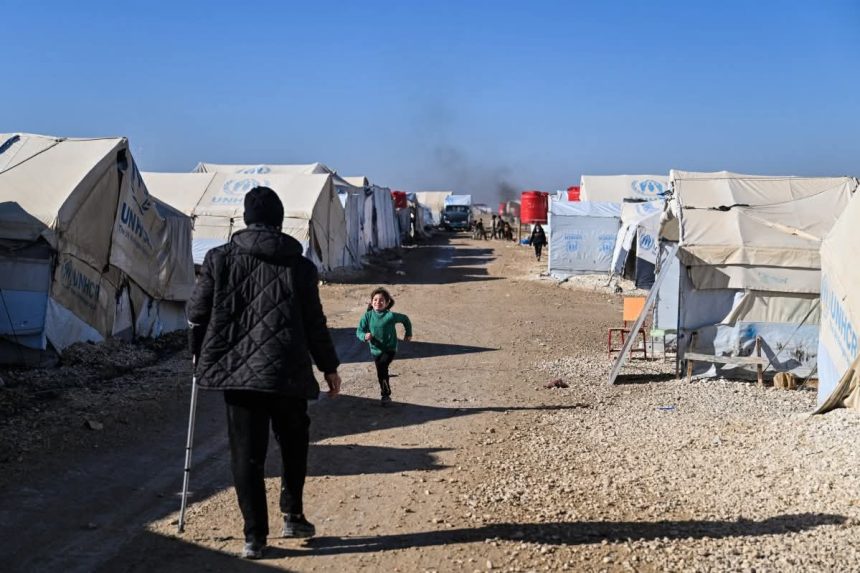
The al-Hol camp in northeastern Syria, long known for housing ISIL-linked detainees, has seen its population drop dramatically from roughly 24,000 to just a few thousand after the Kurdish-led Syrian Democratic Forces (SDF) withdrew in January, leaving the Syrian government to take control.
Sources report that most Syrian nationals have returned to their home towns, while many foreign detainees were moved to government-controlled areas in Idlib and Aleppo. The chaotic transfer has raised fears over security, human trafficking, and potential recruitment by extremist groups. Aid organisations and diplomats say the exits were largely uncoordinated, leaving families uncertain whether they were freed or effectively kidnapped.
Humanitarian concerns remain acute. Conditions in al-Hol have long been criticised, with reports of insufficient food, water, and medical care. Now, displaced families face risks as they navigate unsafe routes, often relying on smugglers to leave the camp.
Rights groups are urging home countries to take responsibility for their nationals, ensuring safe and coordinated repatriation. Meanwhile, residents at the nearby Roj camp, also housing ISIL-linked people, fear a similar fate and call for clear guidance and protection.
Analysts warn that the unplanned movement of detainees could allow radicalized individuals undermine Syrian stability, potentially reigniting extremist attacks in the region.