By Micah Jona, February 17, 2026
Lebanon’s government has announced that its military will need at least four months to carry out the second phase of its plan to dismantle Hezbollah’s arsenals in southern Lebanon, amid ongoing Israeli pressure and near-daily air and ground attacks.
Minister of Information, Paul Morcos said the second phase will focus on the area between the Litani and Awali rivers, approximately 40 km south of Beirut. The timeframe is extendable depending on available military capabilities, Israeli attacks, and other operational challenges on the ground.
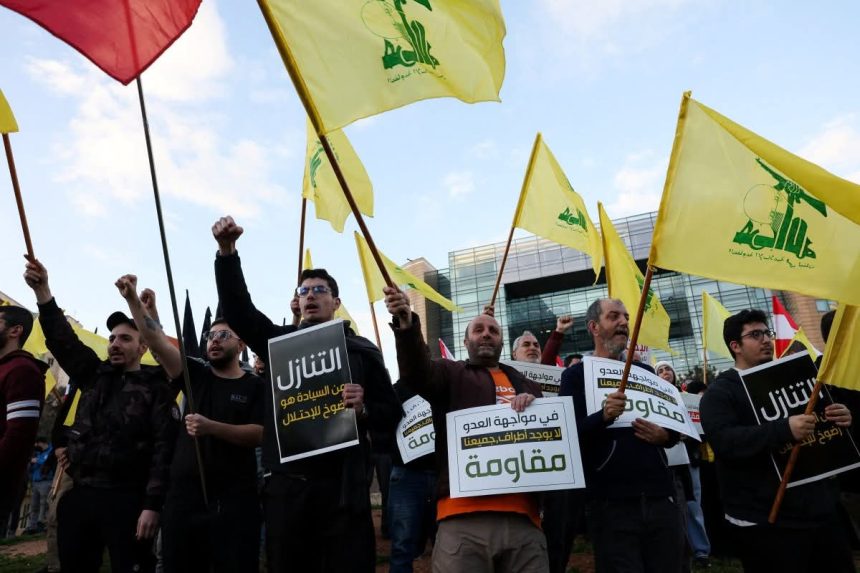
Hezbollah, which has rejected efforts to disarm, insists that the ceasefire agreement with Israel applies only south of the Litani River. Hezbollah deputy chief, Naim Qassem described attempts to disarm the group as a “grave sin,” arguing that disarmament serves Israeli interests and contributes to persistent attacks.
Israeli military raids continue in southern Lebanon, targeting locations allegedly linked to Hezbollah. Recent strikes hit a bus in Hanine and a car in Talloussah, resulting in at least two deaths. Israel stated that the attack on Talloussah targeted a Hezbollah fighter attempting to rebuild the group’s infrastructure.
Since the US-brokered ceasefire in 2024, which ended over a year of cross-border hostilities, Israeli forces have reportedly killed more than 370 people in Lebanon. The UN reports over 10,000 air and ground attacks by Israel in the year since the ceasefire. Lebanon filed a complaint with the UN Security Council last month, citing repeated violations of its sovereignty, including 2,036 incidents in the last three months of 2025 alone.
The Lebanese military’s disarmament plan remains a delicate and politically sensitive task, balancing domestic considerations with pressure from Israel and its international allies.