Micah Jonah
February 14, 2026
Iran has declared that its ballistic missile programme is non-negotiable, as Tehran and United States consider a second round of talks over Iran’s nuclear activities.
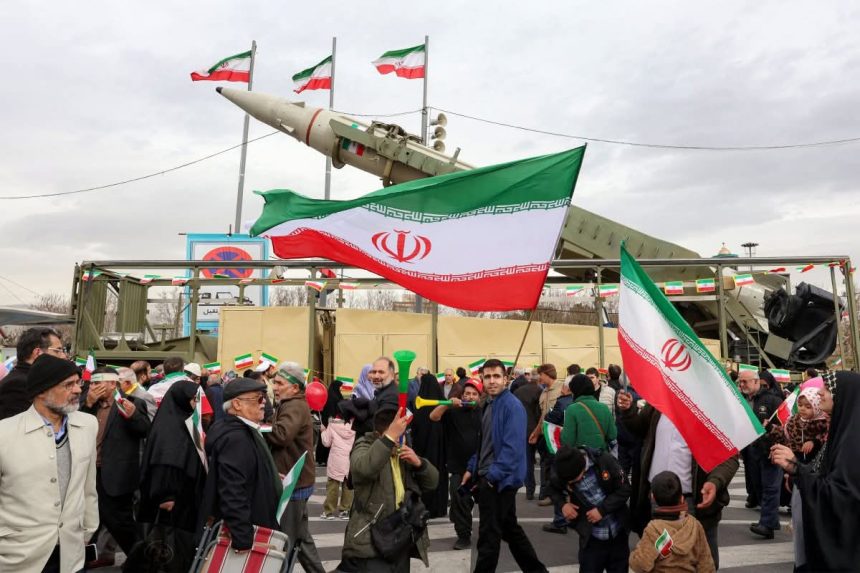
Ali Shamkhani, an adviser to Iran’s Supreme Leader, made the position known during an event marking the 47th anniversary of the 1979 Islamic Revolution. He stated that the Islamic Republic’s missile capability remains a red line and would not form part of any negotiation.
The stance follows a recent round of mediated discussions between officials of both countries in Oman, which reportedly ended without a breakthrough. While Iran is said to be open to discussions strictly on its nuclear programme, Washington is pushing for broader talks to also cover ballistic missiles and Tehran’s regional alliances.
US President, Donald Trump has sent mixed signals regarding the negotiations. Although he described the initial round of talks as positive, he warned that failure to reach an agreement could result in tougher measures.
Trump was also reported to have considered deploying additional military assets to the region, including a second aircraft carrier, following previous US strikes on Iranian nuclear facilities last year.
Iran’s President, Masoud Pezeshkian said his country is willing to demonstrate that its nuclear programme is peaceful but would not bow to what he described as excessive demands. He stressed that Iran would continue dialogue with neighbouring countries to maintain regional stability.
Meanwhile, Ali Larijani, another senior adviser to Supreme Leader Ayatollah Ali Khamenei, visited Qatar for consultations on the ongoing diplomatic efforts. He reportedly met with Emir Sheikh Tamim bin Hamad Al Thani to discuss the prospects of renewed US-Iran engagement.
Israeli Prime Minister, Benjamin Netanyahu also held talks with Trump in Washington, where both leaders reportedly agreed to maintain coordination on issues concerning Iran’s security and nuclear ambitions.
Observers say the missile programme remains a major sticking point in the negotiations, with Tehran maintaining that its defence capabilities are essential to national security.