

Micah Jonah 10, February 2026
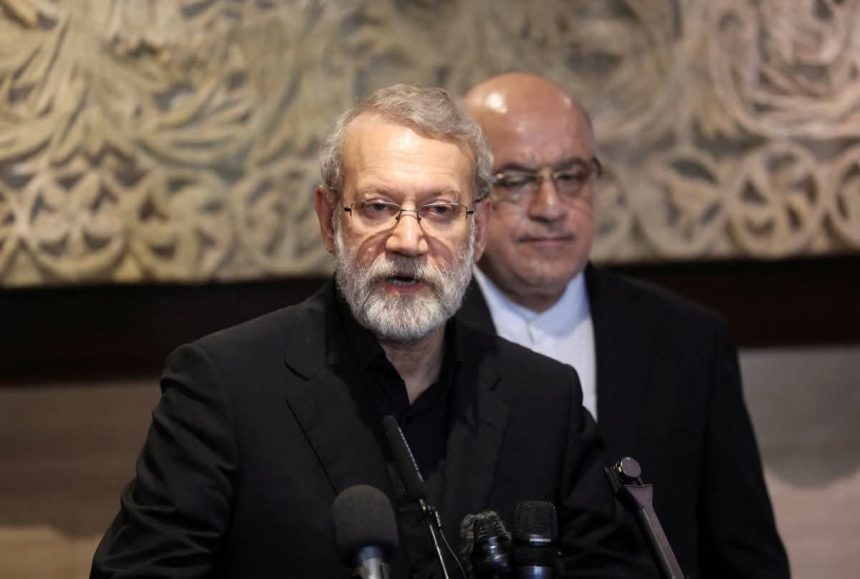
Iran’s top security official, Ali Larijani, has arrived in Oman following recent indirect nuclear talks between Tehran and Washington, as diplomatic efforts intensify to prevent a wider regional conflict.
Larijani, who serves as secretary of Iran’s Supreme National Security Council and is a close adviser to Supreme Leader Ayatollah Ali Khamenei, is expected to hold high level meetings with Omani authorities, including the country’s foreign minister and the Sultan of Oman. Oman has been playing a key intermediary role between Iran and the United States in the renewed dialogue over Tehran’s nuclear programme.
According to Iranian state media, discussions during the visit will focus on recent regional and international developments, as well as ways to strengthen bilateral cooperation between Iran and Oman. The visit comes shortly after Oman hosted indirect talks aimed at easing tensions between Iran and the United States amid fears of possible military escalation.
Analysts view Larijani’s presence in Muscat as a signal that diplomatic channels remain open despite months of sharp rhetoric and military posturing in the region. While no date has been announced for the next round of talks, both sides have confirmed that further discussions are expected.
Iranian officials have maintained that the talks are limited strictly to the nuclear issue, rejecting any attempt to expand negotiations to include the country’s missile programme or regional influence. Tehran insists its nuclear activities are for peaceful purposes and has accused external actors of politicising the issue to justify pressure and sanctions.
In recent comments, Iranian authorities suggested they could show flexibility on uranium enrichment levels if all economic sanctions are lifted, a position that underscores Iran’s demand for tangible concessions in return for any compromise. The United States, however, has continued to press for broader restrictions on Iran’s nuclear activities.
Larijani is also expected to continue regional consultations after his Oman visit, reflecting Iran’s push to engage neighbouring countries as it navigates a sensitive diplomatic phase. The outcome of these engagements is likely to shape the direction of future talks and determine whether diplomacy can avert renewed confrontation in the Middle East.