RismadarVoice Reporters, February 10, 2026
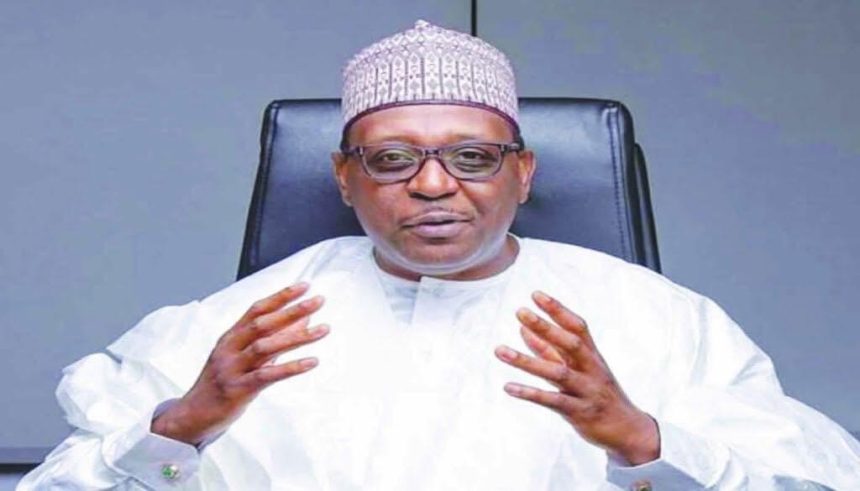
The Federal Ministry of Health and Social Welfare implemented only ₦36 million out of the ₦218 billion capital allocation approved for the sector in the 2025 fiscal year, the Minister of Health, Prof. Ali Pate, has disclosed.
Prof. Pate made the revelation on Monday while defending the ministry’s 2026 budget proposal before the House of Representatives Committee on Healthcare Services in Abuja.
According to the minister, the poor performance of the 2025 capital budget was largely due to cash flow constraints and systemic bottlenecks in the Federal Government’s budget execution process.
“Out of the ₦218 billion appropriated to the health sector by the parliament for the execution of capital projects in the 2025 fiscal year, only ₦36 million was released,” Pate told the committee.
He explained that while the ministry’s personnel budget for 2025 was fully released and utilised, the capital component suffered severe funding shortfalls. He attributed this largely to the bottom-up cash planning system operated by the Office of the Accountant-General of the Federation, which prioritises cash availability over approved budget allocations.
The Minister further disclosed that delays in the release of Nigeria’s counterpart funding for donor-supported health programmes prevented the ministry from accessing some external funds, thereby worsening implementation challenges.
According to him, the combined effect of limited cash releases and delayed counterpart funding stalled the execution of key capital projects, despite the ministry’s readiness to roll out planned interventions.
In recent years, the Federal Ministry of Health has faced persistent challenges in implementing capital projects due to late or minimal fund releases, a trend that has affected investments in healthcare infrastructure, medical equipment procurement, disease control programmes, and primary healthcare revitalisation.
Budget documents and legislative oversight reports have consistently shown that although substantial capital allocations are approved annually for the health sector, actual cash releases remain low, particularly amid fiscal pressures, rising debt servicing obligations, and revenue shortfalls.
This situation has resulted in project rollovers, underutilisation of donor funds that require counterpart financing, and delays in the completion of hospitals, laboratories, and other public health facilities across the country.
Speaking further at the hearing, Prof. Pate said Nigeria’s health sector operates within established policy and planning frameworks, including Vision 20:2020, the Medium-Term National Development Plan 2021–2025, and the National Strategic Health Development Plan II.
He noted that the 1999 Constitution and the National Health Act are designed to guarantee the right to health for all citizens, while the 2016 National Health Policy provides a framework for translating national health laws and the Sustainable Development Goals into improved health outcomes.
“The principles of Universal Health Coverage are central to the National Health Policy objective of strengthening Nigeria’s health system, particularly the Primary Health Care subsystem, to deliver quality, equitable, accessible, affordable, and comprehensive health services to all Nigerians,” the minister said.
Prof. Pate also disclosed that the policies guiding the ministry’s 2026 budget proposal were drawn from the 2026–2028 Medium-Term Expenditure Framework and Fiscal Strategy Paper, which outlines the Federal Government’s development priorities.