Micah Jonah
February 8, 2026
Residents and officials on the Italian island of Sardinia are pushing back against a government plan that could see hundreds of high risk mafia inmates transferred to prisons on the island, reviving long standing fears of stigma, economic infiltration and pressure on already strained public services.
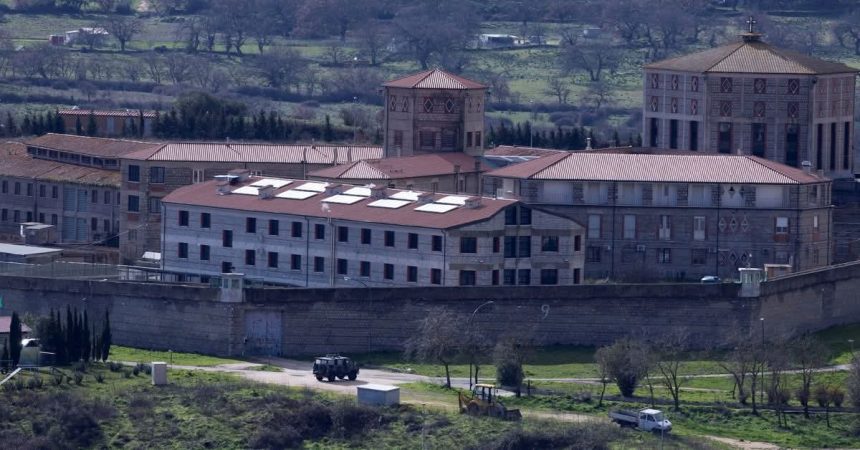
In the central Sardinian city of Nuoro, a remote area long associated in the past with housing dangerous criminals far from mainland Italy, concerns are growing that the island may once again be perceived as a penal dumping ground. While Sardinia has spent recent years rebuilding its image around tourism and culture, locals say the proposed policy risks undoing that progress.
Under the plan announced late last year, around 750 inmates held under Italy’s highly restrictive 41bis detention regime are to be concentrated in a limited number of specialized facilities nationwide. Authorities have indicated that Sardinia could receive nearly a third of these prisoners, spread across facilities in Sassari, Cagliari and Nuoro.
Regional leaders have warned that such a move could encourage mafia families and associates to relocate closer to detained relatives, creating opportunities for organised crime groups to launder money and infiltrate local businesses. Sardinia’s economy, particularly in interior areas such as Nuoro, is dominated by small firms and agriculture, which officials say makes it vulnerable to financial manipulation.
Italy’s 41bis regime was introduced in the early 1990s to prevent mafia bosses from directing criminal operations from prison. It imposes near total isolation and is among the strictest incarceration systems in Europe. While the law suggests that the regime should preferably be enforced on Italy’s islands, critics argue that modern conditions make such concentration risky.
Local lawmakers and legal experts say renovation work at some Sardinian prisons suggests preparations are already under way to receive additional high security inmates. They argue that even without violent crime, the presence of organized criminal networks could pose long term threats through corruption, illicit investments and influence over public contracts.
Government officials have defended the plan, insisting it will improve national security by placing high risk inmates under the supervision of specialized prison units. They have also downplayed the likelihood of mass relocations by mafia families, arguing that most remain rooted in their traditional strongholds.
However, judges, mayors and prison oversight officials on the island say any increase in the number of top risk inmates would require significant reinforcement of policing, judicial capacity and healthcare services. Sardinia already has one of Italy’s highest prisoner to population ratios, and local authorities warn that inmate medical care could overwhelm hospitals and disrupt services for residents.
Community leaders stress that the concern is not only about security, but about Sardinia’s future direction. Many argue that rather than renewed association with organized crime, the island needs investment in infrastructure, jobs and social services to support sustainable development.
As discussions continue, opposition remains strong across Sardinia, with regional representatives urging the central government to reconsider any plan that could return the island to what locals describe as an outdated and damaging role within Italy’s penal system.