By Micah Jonah, February 2, 2026
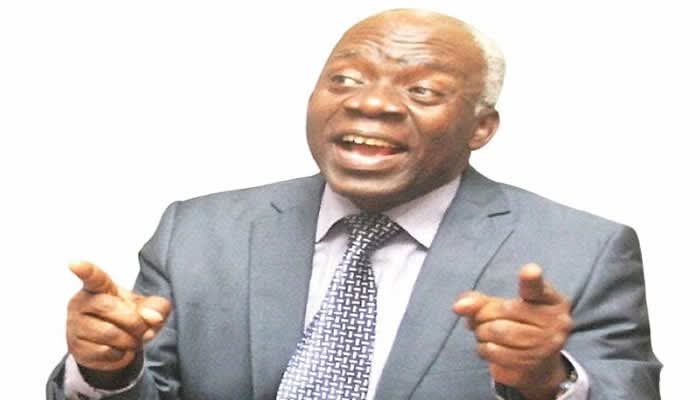
Senior Advocate of Nigeria and human rights lawyer, Femi Falana, has criticized the Nigerian Senate for what he described as repeated and unnecessary delays in amending the Electoral Act, warning that the situation could undermine the credibility of the 2027 general elections.
Falana spoke during an interview on Arise News, where he expressed concern over the Senate’s decision to constitute another committee to review the Electoral Act Amendment Bill, despite the House of Representatives having passed the bill in December 2025.
According to him, the prolonged process suggests an intention by lawmakers to maintain the status quo rather than implement meaningful electoral reforms.
He said the amendment exercise appeared to be a mere formality designed to give Nigerians the impression that electoral reforms were being addressed, while critical issues remained unresolved.
The proposed amendment bill seeks to strengthen Nigeria’s electoral framework by providing for electronic transmission of election results, tougher penalties for vote buying, voting rights for inmates, and sanctions against delegates who are financially induced to manipulate party primaries.
Falana argued that many of these reforms address long standing weaknesses in the electoral system but have continued to face resistance within the National Assembly.
He also faulted lawmakers for prioritizing minor amendments already covered by existing laws instead of focusing on enforcement and structural reforms, noting that impunity remains a major challenge in Nigeria’s electoral process.
Recalling controversies from previous elections, Falana stressed the need to clearly enshrine electronic accreditation and transmission of results into law to avoid disputes that often lead to prolonged election petitions.
Beyond electoral matters, Falana also spoke on other national issues, including the prosecution of alleged coup plotters, insisting that only the Federal High Court has the constitutional authority to try treason related offences.
He further criticized
the handling of protests and demolitions by government authorities, particularly in Lagos State, arguing that due process and the rights to dignity and housing must be respected.
Falana concluded by calling on Nigerians and civil society organisations to mount pressure on the National Assembly to ensure the timely passage of the Electoral Act Amendment Bill, warning that without public mobilization, the bill may not be passed before the 2027 elections.